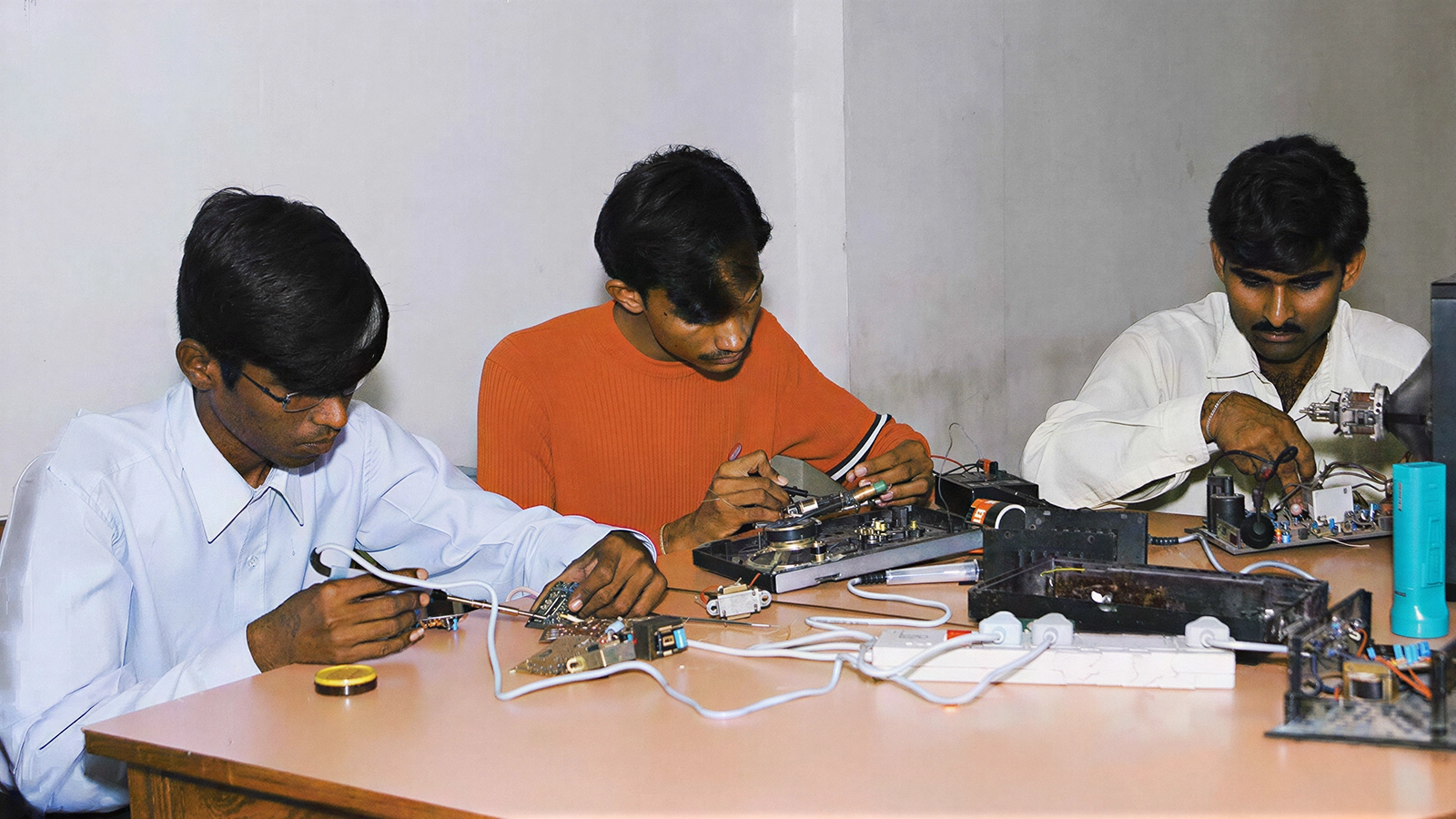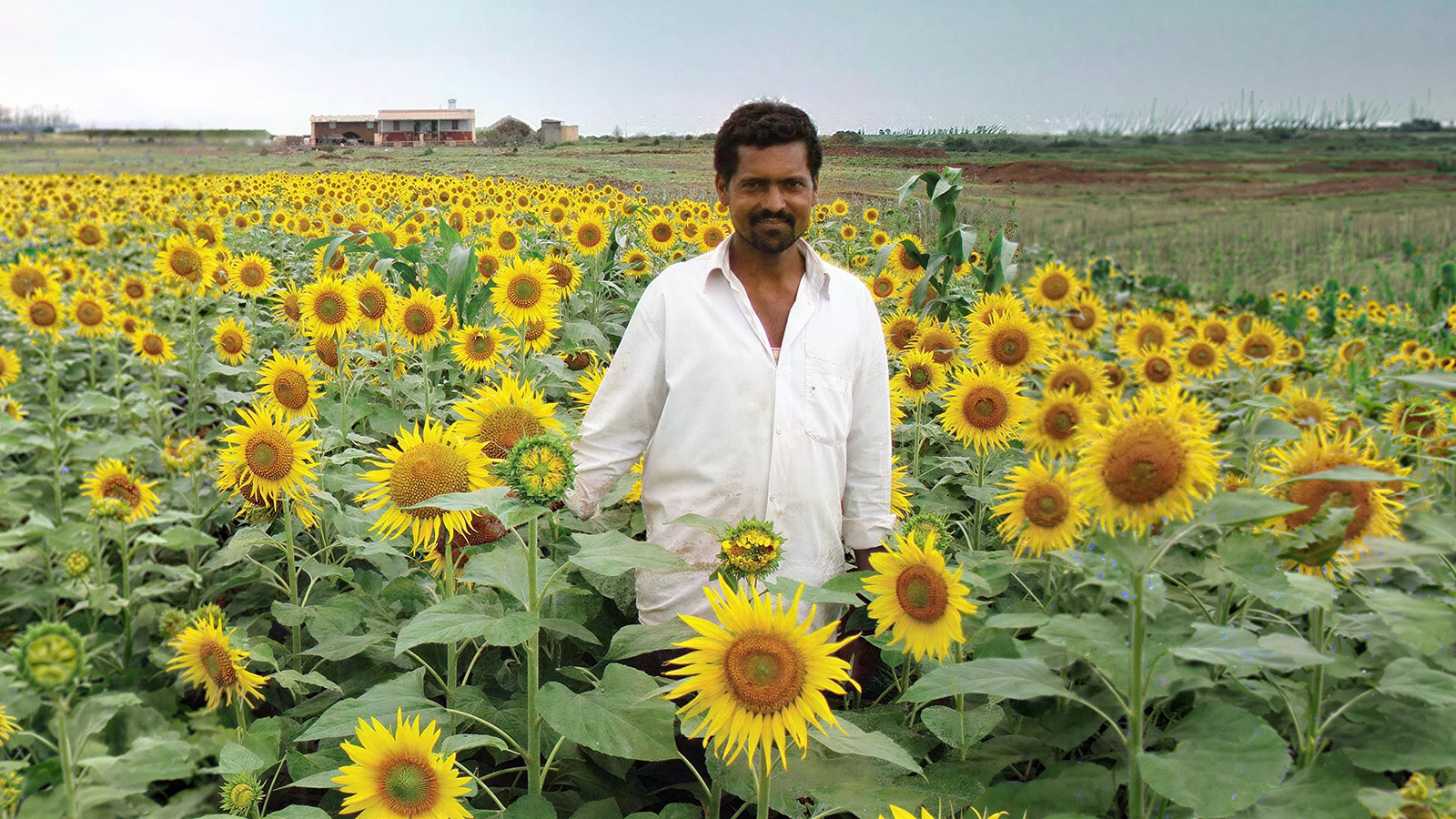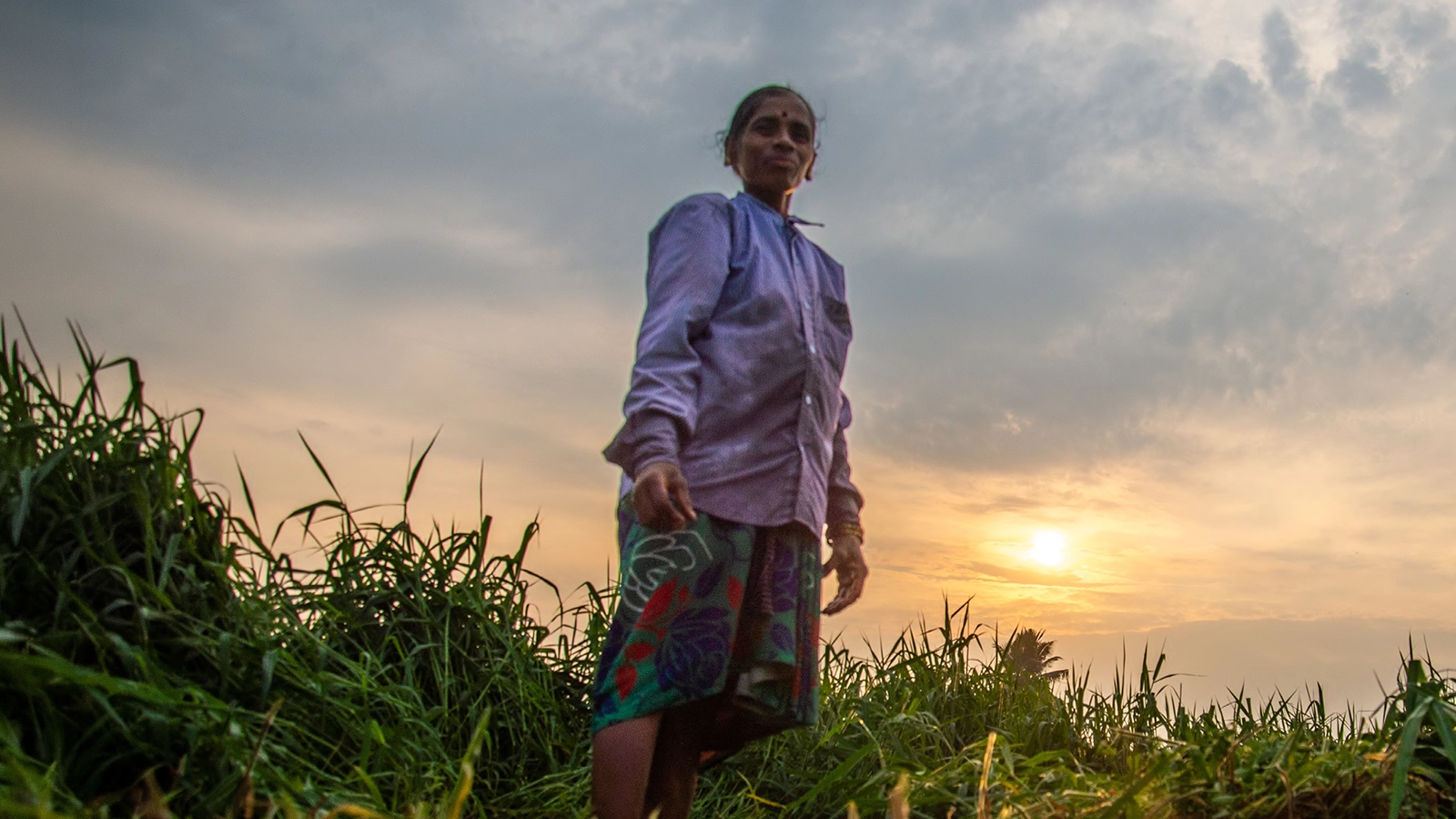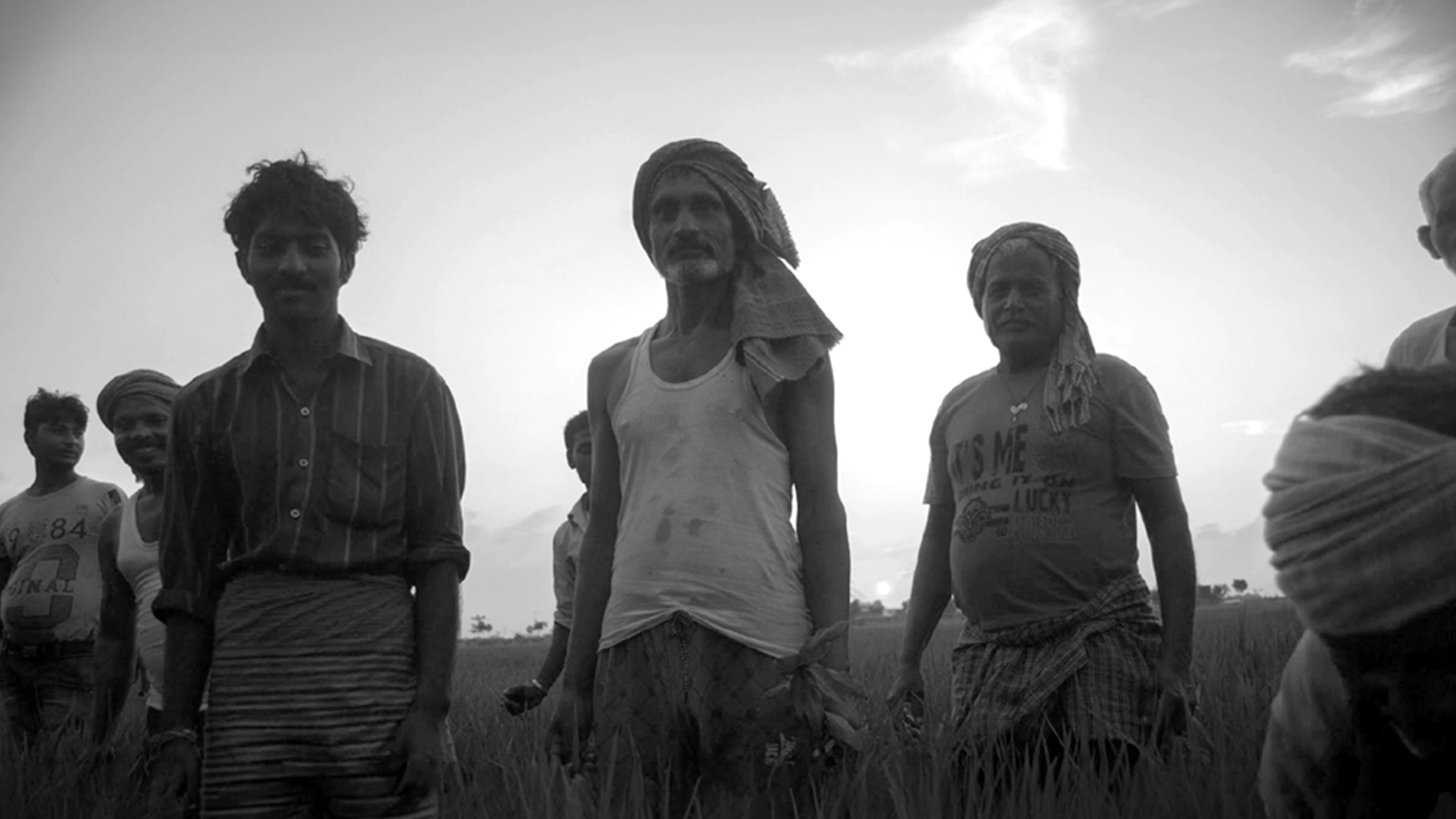
The 2018–19 Annual Report places women’s agency and community well-being at the centre of development. Framed by the Sustainable Development Goals, it asks why progress in access does not always create communities that are inclusive and vibrant. The report argues that lasting change requires civil society to work with communities, governments and markets while strengthening people’s ability to shape their futures. This systems perspective appears across our programs. While GROW shares its learning on core employability skills, MITRA expands farmer-led extension through institutional partnerships and initiatives in allied health, science education, rural enterprise and sector leadership test different routes to wider impact. Stories of young women, farmers, scholars and social-sector leaders keep the argument grounded in lived experience. Read this edition for a more connected view of DRF’s work, where gender justice, community capability, evidence and collaboration are treated not as separate concerns, but as essential conditions for achieving development outcomes.