UNFOLDING...

EXPANDING ACCESS SO PERSONS WITH DISABILITIES AND YOUNG WOMEN CAN PURSUE THEIR AMBITIONS ON EQUAL TERMS.

Inclusion

OUR WORK IN
NUMBERS

Our inclusion work creates pathways to employment and entrepreneurship for persons with disabilities and supports young women pursuing higher education in science and technology. The figures below bring together programme reach, earnings and scholarship support. They reflect our efforts to address barriers to opportunity and help more people pursue financial independence, continue their education and exercise greater choice in their lives.

56,613+

Individuals

supported

₹12,074

Average monthly

salary at placement

261

Sashakt

scholars

AN OVERVIEW

AN
OVERVIEW

Inclusion is not simply about opening a programme to more people. It requires identifying and removing the barriers that prevent individuals from learning, working and making choices about their own futures.

Dr. Reddy’s Foundation began its inclusion work in 2010 with specialised skill development for persons with disabilities. What began with accessible training has grown to include adapted curricula, job matching, employer sensitisation, workplace accessibility and support for entrepreneurship.

In 2018, the Foundation launched Sashakt to help academically talented young women from low-income households pursue higher education and careers in science, technology, engineering and medicine. Through financial assistance and mentorship from women scientists and researchers, Sashakt supports scholars as they progress through some of India’s leading institutions.

Together, these initiatives create pathways to education, employment, entrepreneurship
and greater financial independence.

WHY THIS
WORK MATTERS

WHY THIS
WORK MATTERS

Persons with disabilities continue to encounter attitudinal, physical and informational barriers in education and employment. The International Labour Organization identifies these as major obstacles to equal participation in the world of work.

30 ^%

Persons with Disabilities globally participate in the labour market

43 ^%

Women’s share of enrolment in STEM disciplines in higher education

29 ^%

Women’s share of India’s STEM research workforce in 2023–24

These figures describe different stages of the STEM pathway, but they highlight the importance of supporting women beyond initial enrolment. Financial constraints, caregiving responsibilities, limited mentorship, career interruptions and institutional barriers can affect whether women complete their education and continue into research and other STEM careers.

Sustained scholarships and mentoring can help talented young women remain in the STEM pipeline, make informed academic choices and build long-term careers in science and technology.


Sources:

International Labour Organization, August 2024 

Ministry of Science and Technology: Women in STEM enrolment, January 2026

Ministry of Science and Technology: Women in the STEM research workforce, August 2026

HOW WE
WORK

HOW WE
WORK

01

Build accessible pathways to

employment

Provide accessible learning environments, adapted curricula, specialist support and employment preparation suited to different disabilities.

02

Strengthen inclusive

workplaces

Work with employers through sensitisation programmes, accessibility audits and job matching to improve recruitment and retention.

03

Enable

entrepreneur-
ship

Support persons with disabilities who face barriers to wage employment through entrepreneurship training, mentoring, seed grants and assistance in accessing loans.

04

Support women’s

progression in STEM

Combine financial assistance with research-aligned mentorship so that young women can continue their education, navigate academic decisions and pursue long-term careers in science, technology, engineering and medicine.

OUR
INITIATIVES

OUR
INITIATIVES

GROW PwD

GROW PwD supports persons with disabilities to build relevant skills and pursue greater economic independence through wage employment or entrepreneurship.

Skills and wage employment

The two-month programme develops Core Employability Skills including communication, digital literacy, aptitude, computer use, workplace behaviour, sector readiness and interview skills.

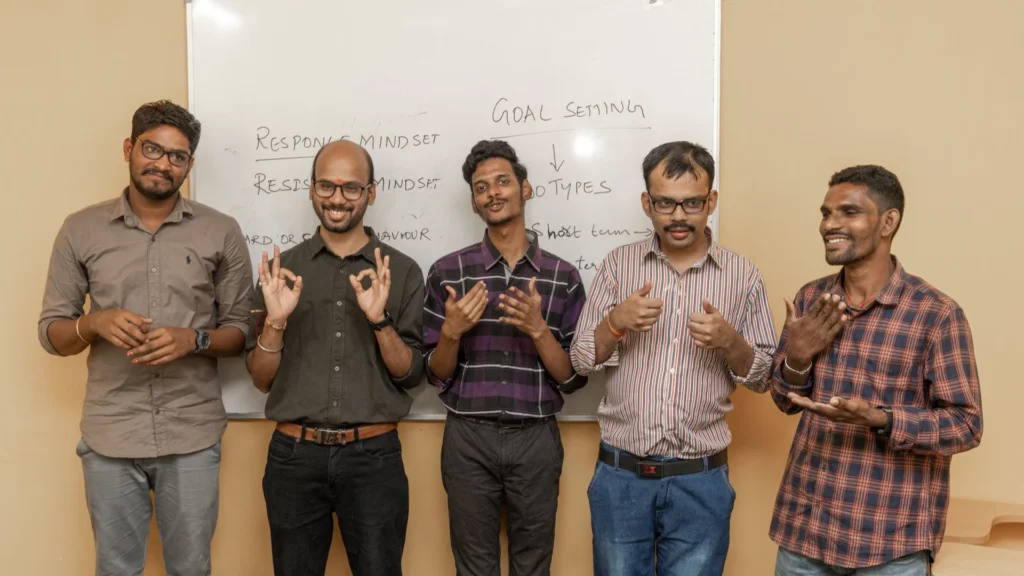
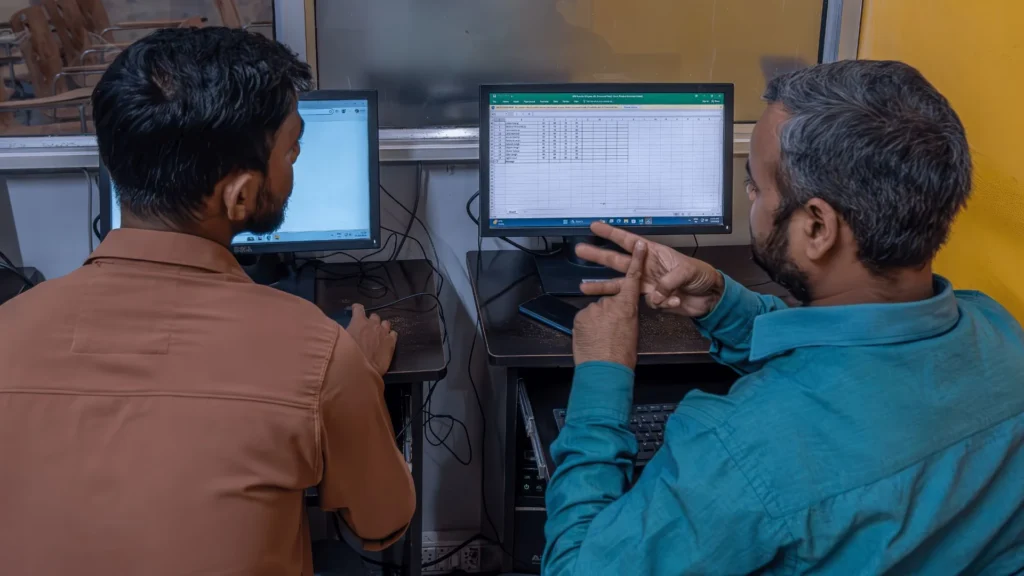
Training is delivered through accessible learning spaces supported by trained professionals, including sign-language interpreters and special educators. The curriculum is adapted for different learning needs and disability categories while remaining aligned with workplace requirements.

Career guidance and job matching help connect aspirants with suitable roles. The programme also works with employers through sensitisation workshops and accessibility assessments, helping them identify workplace barriers and create more inclusive environments.

Entrepreneurship

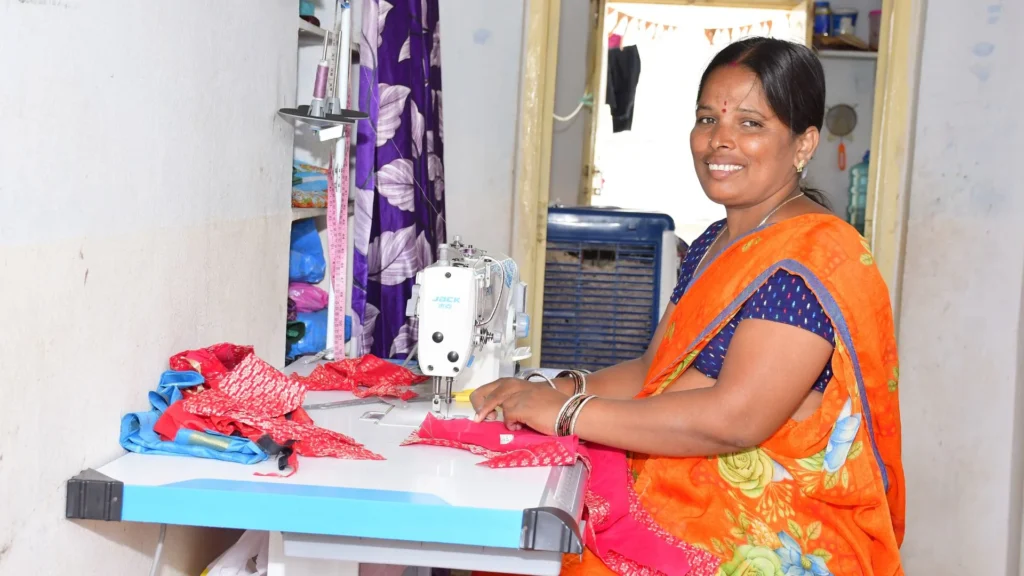
The GROW PwD self-employment intervention supports persons with disabilities for whom conventional employment may be difficult because of geographical, educational or accessibility barriers.

Participants can receive seed grants and assistance in accessing loans from financial institutions. This financial support is complemented by six months of structured training and personalised mentoring covering procurement, marketing, sales and day-to-day business operations.

The aim is to help participants establish viable enterprises, strengthen their incomes and exercise greater choice over their livelihoods.

Sashakt

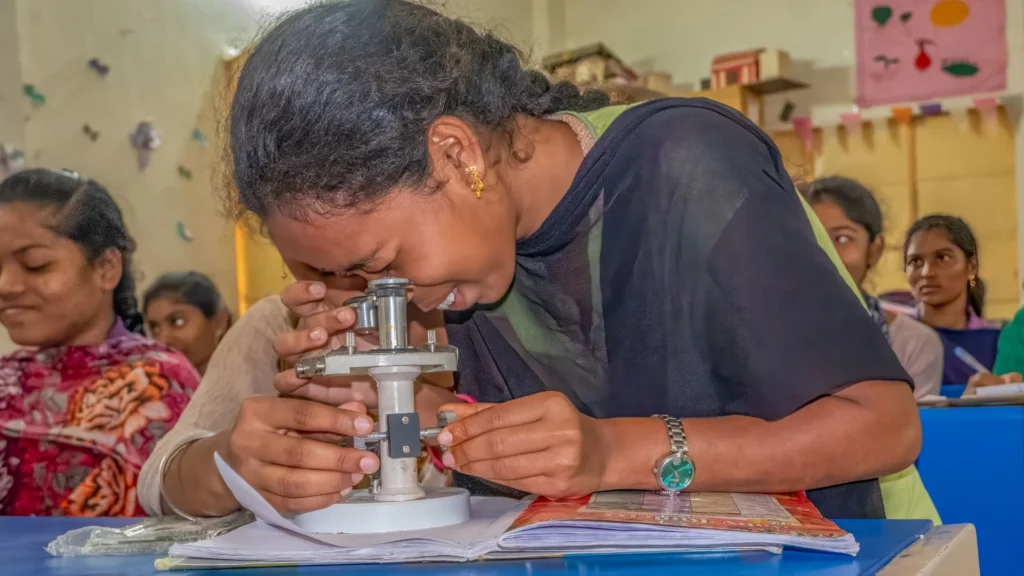
Sashakt supports academically promising young women from economically disadvantaged backgrounds to pursue higher education and careers in STEM.

Launched in 2018 with an initial cohort of 20 scholars, the programme has so far supported 261 young women. It helps cover tuition and living expenses for undergraduate study in STEM and medicine, including B.Tech and MBBS programmes at leading institutions.

Financial assistance is complemented by sustained mentorship. Through a partnership with Vigyaanshaala, scholars are connected with mentors actively engaged in scientific research, giving them access to guidance aligned with their academic interests and career ambitions.

Sashakt scholars have gone on to pursue further education at institutions including the University of Oxford, the Indian Institute of Science and the Indian Institutes of Technology.

Visit the Sashakt Scholarship website

ALIGNMENT WITH THE UNITED NATIONS
SUSTAINABLE DEVELEPMENT GOALS

ALIGNMENT WITH THE UNITED NATIONS
SUSTAINABLE DEVELEPMENT GOALS

Our inclusion initiatives
primarily advance

SDG 10: Reduced Inequalities by addressing barriers experienced by persons with disabilities and women from disadvantaged backgrounds.

It also contribute to:

SDG 4: Quality Education by widening access to skills and higher education.

SDG 5: Gender Equality by supporting women’s education and workforce participation.

SDG 8: Decent Work and Economic Growth through pathways into employment and entrepreneurship.

SDG 17: Partnerships for the Goals through collaboration with employers, mentors, financial institutions and programme partners.

Collaborators

Skill Council for Persons with Disability

Accenture

HSBC

Cognizant

HDFC Bank Parivartan

Standard Chartered Bank

SBI Foundation

Dr. Reddy’s Laboratories Ltd.