UNFOLDING...

Working with communities to restore land and water while making local livelihoods more resilient.

Climate Action &
Environment

OUR WORK IN
NUMBERS

Our climate action work connects environmental protection with the livelihoods of farming communities. The figures below highlight the people reached, water conserved and income gains associated with improved agricultural practices. They demonstrate how conserving resources and strengthening livelihoods can advance together, helping farmers respond to changing conditions while protecting the natural systems on which their families and future harvests depend.

208.49

billion litres

water saved

2 LAKH+

people

reached.

₹18,771

average increase in

income per acre

AN OVERVIEW

AN
OVERVIEW

Agriculture stands at the centre of the climate challenge. It is deeply affected by changing temperatures, rainfall and extreme weather, while also contributing to greenhouse gas emissions. For communities that depend on land and natural resources, climate action must therefore protect livelihoods while restoring the systems on which they depend.

Dr. Reddy’s Foundation launched Action for Climate and Environment (ACE) in 2020.

The programme works through two strategic areas: Regenerative Agriculture and Coastal Ecosystems.

It brings together interventions in soil health, water conservation, biodiversity, farm energy use and ecosystem restoration.

ACE places particular emphasis on socio-economically vulnerable communities, women and indigenous groups. Its approach combines mitigation and adaptation, seeking solutions that reduce environmental impact while also improving farm productivity, household incomes and community resilience.

WHY THIS
WORK MATTERS

WHY THIS
WORK MATTERS

Climate change affects the natural resources and seasonal conditions on which farming communities depend. Addressing it requires action that reduces emissions, prepares agriculture for climate risks and restores ecosystems that protect both people and biodiversity.

13 _. 72 ^%

of India’s gross greenhouse gas emissions came from agriculture in 2020

3 _ 1 _ 0

of 651 predominantly agricultural districts are vulnerable to climate change

50 ^%

of the world’s assessed mangrove ecosystems are at risk of collapse

These figures underline the need to reduce agricultural emissions while helping farming communities adapt to changing conditions. Regenerative agriculture and mangrove restoration can conserve natural resources, protect biodiversity and strengthen rural and coastal livelihoods. Building resilience in farming systems also helps sustain food production and safeguard food security.


Sources:

 India’s Fourth Biennial Update Report to the UNFCCC

India’s latest greenhouse gas inventory, Ministry of Environment, Forest and Climate Change, January 2025

 ICAR climate-risk assessment of agricultural districts, March 2026

IUCN Global Mangrove Assessment, May 2024

HOW WE
WORK

HOW WE
WORK

01

Regenerate soil and

farming systems

Promote advanced seeding techniques, tailored soil nutrition, intercropping, integrated pest management, soil biologics and biochar to improve soil health and farm productivity.

02

Conserve

water

Support efficient irrigation and water-saving cultivation practices that reduce pressure on freshwater resources while helping farmers manage rainfall variability.

03

Restore

biodiversity

Develop agroforestry systems, pollinator gardens and beekeeping activities that improve ecological health while creating supplementary livelihood opportunities.

04

Use farm resources

more efficiently

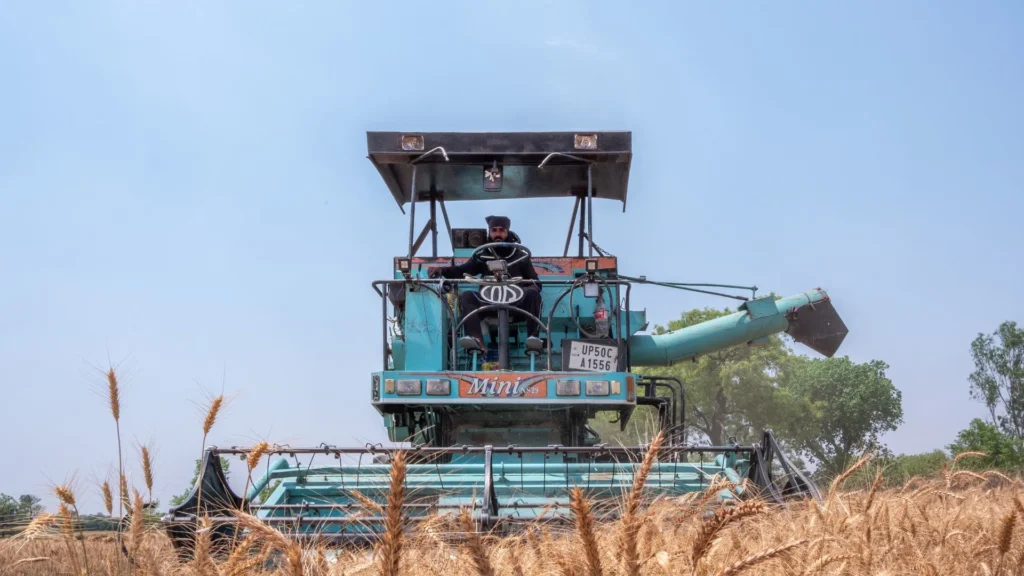
Promote energy-efficient farm mechanisation, crop-residue management and the productive use of agricultural residue as a renewable resource.

05

Restore coastal

ecosystems

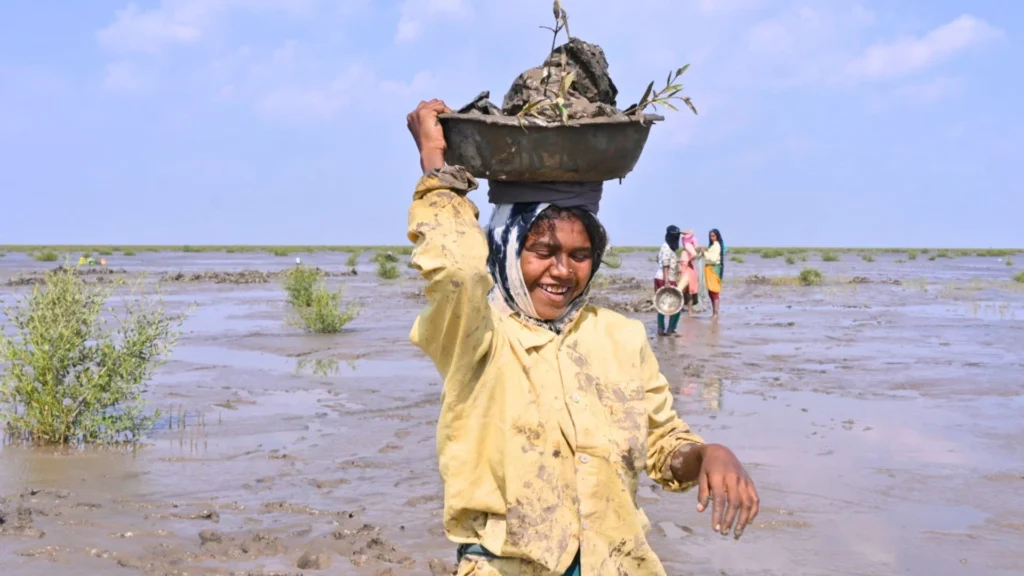
Work with coastal communities on mangrove restoration and coastal plantations that support biodiversity, strengthen protection against climate risks and create alternative livelihood opportunities.

OUR
INITIATIVES

OUR
INITIATIVES

Action for Climate and Environment

ACE helps farming and coastal communities respond to climate change through practical interventions that combine environmental and livelihood outcomes. Rather than treating soil, water, biodiversity and income as separate concerns, the programme works across these connected systems.

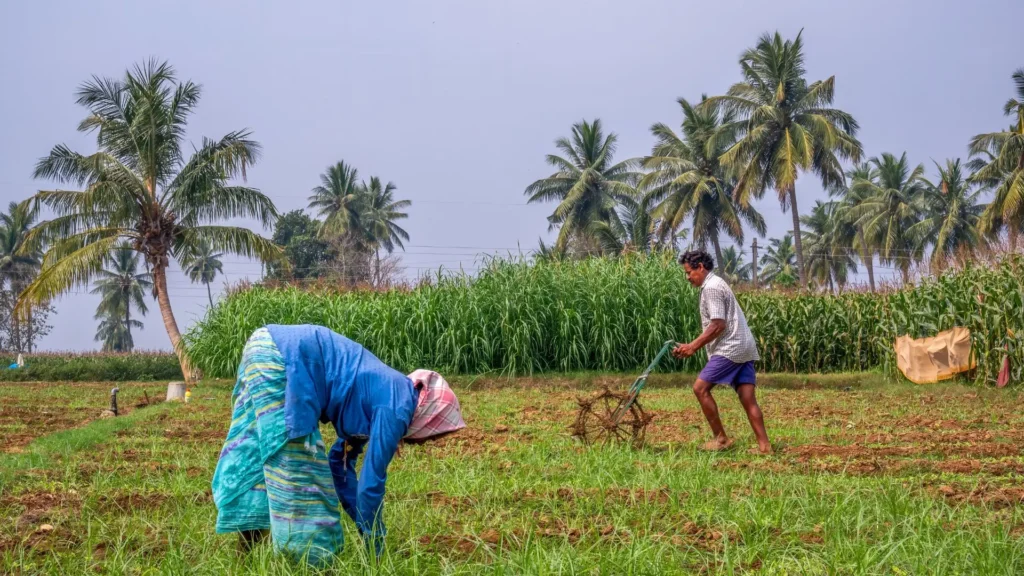
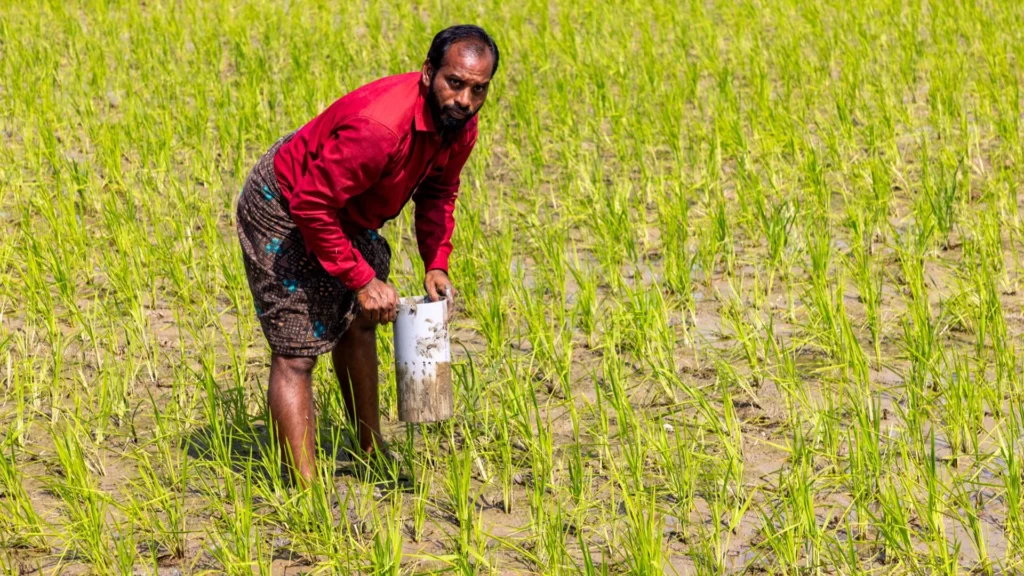
Soil health is central to ACE’s regenerative agriculture work. Farmers are supported to adopt improved seeding techniques, tailored soil-nutrition plans, intercropping, integrated pest management and efficient irrigation. Crop-residue management, charged biochar and soil biologics further support healthier soils, improved water retention and stronger climate outcomes.

The Soil Testing Resource Centre in Hyderabad strengthens this work through physical, chemical and biological soil analysis. During 2025–26, the centre issued more than 19,000 soil health cards. The facility has the capacity to process up to 200,000 soil samples annually, enabling farmers to make more informed decisions about soil nutrition and input use.

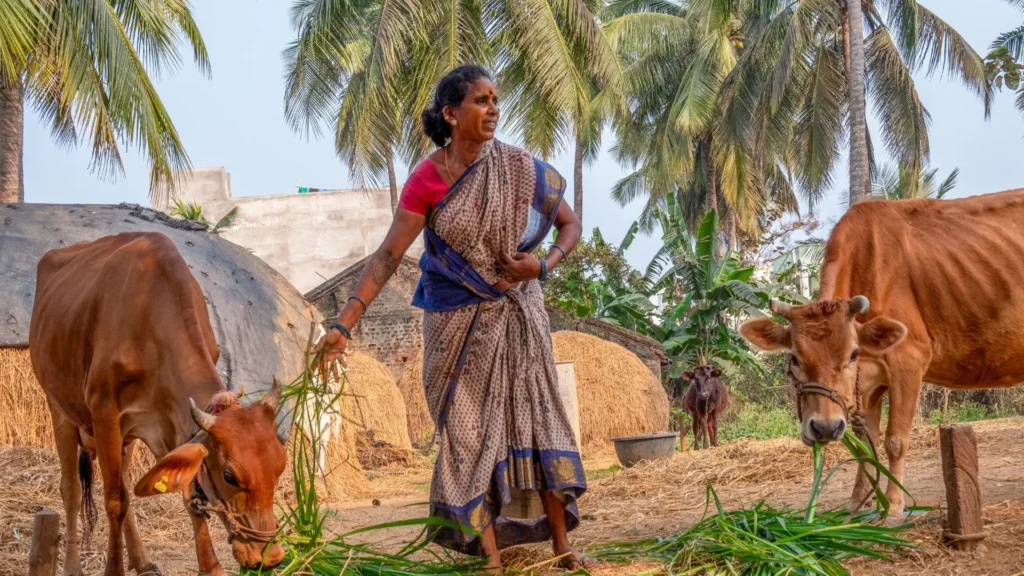
ACE also works beyond individual farms. Agroforestry, beekeeping and pollinator gardens contribute to biodiversity while creating additional sources of household income. Energy-efficient farm mechanisation and productive uses for crop residue help reduce waste and improve resource efficiency.

ACE works in coastal regions to restore biodiversity, strengthen protection from climate risks and support livelihood opportunities connected to healthier ecosystems.

The programme undertakes mangrove restoration and coastal plantation with continued monitoring and community participation. 

Across both strategic areas, ACE follows a co-benefit approach. Each intervention is designed to produce climate or environmental gains while also creating economic and social value for the communities involved.


ALIGNMENT WITH THE UNITED NATIONS
SUSTAINABLE DEVELEPMENT GOALS

ALIGNMENT WITH THE UNITED NATIONS
SUSTAINABLE DEVELEPMENT GOALS

Our climate action and environment initiatives
Primarily advance

SDG 2: Zero Hunger by promoting resilient agricultural practices that strengthen farm productivity and food security.

It also contribute to:

SDG 13: Climate Action through interventions that reduce emissions, conserve natural resources and help communities adapt to climate risks.

SDG 15: Life on Land by improving soil health, restoring biodiversity and expanding agroforestry and other nature-based interventions.

SDG 17: Partnerships for the Goals through collaboration with research institutions, technical organisations, community partners and the private sector.

Collaborators

Dr. Reddy’s Laboratories Ltd.

CIMMYT

ICRISAT

International Rice Research Institute

Indian Council of Forestry Research and Education

Mitti Labs