Three decades of work. Millions of ways forward.
From one idea in 1996 to work spanning communities across India, our journey has been shaped by what we learned, what we changed and what people made possible.
India was growing. Dr. Kallam Anji Reddy wanted that progress to be shared more widely.
In 1996, the scientist, entrepreneur and philanthropist founded Dr. Reddy’s Foundation to expand access to quality education and skills among low-income communities. The first focus was practical: give children access to quality learning and enable young people to enter the world of work with relevant skills.
DRF established a school and vocational college to provide affordable, quality education. Partnerships with under-resourced government schools extended this work to improving learning outcomes and infrastructure.
For young people preparing to work, the Livelihood Advancement Business School, better known as LABS, introduced a model that was still uncommon in India. Training was short, practical and linked directly to entry-level employment.
Low-income communities are not one group with one set of barriers. Our programmes have evolved around different ambitions, contexts and opportunities.
Within skilling, the work moved with the labour market. From Core Employability Skills to Technical Skills our centres prepare young people for in-demand and emerging sectors, allowing them to make the most of opportunities.
We also became more deliberate about the barriers women face at different stages. GROW Women responds to low female labour force participation. Sashakt supports young women pursuing higher education in STEM. Focused interventions create income opportunities for rural women closer to home.
For persons with disabilities, our work spans skilling, employment, entrepreneurship and wider inclusion.
At the same time, our work expanded to address other challenges affecting rural communities, including insecure farm livelihoods, limited access to quality primary healthcare and growing pressure on land and water. These priorities shaped our work in rural livelihoods, healthcare and climate action.
The programmes differ, but the method is consistent. We develop and test solutions, learn from evidence and build partnerships that allow effective approaches to reach more communities.

Vision
To enable sustainable social impact at scale.
Mission
To empower communities through improved education, health, livelihood and climate action outcomes.
Strategy
To develop and test innovative solutions to address complex social problems and leverage partnerships to scale up impact.
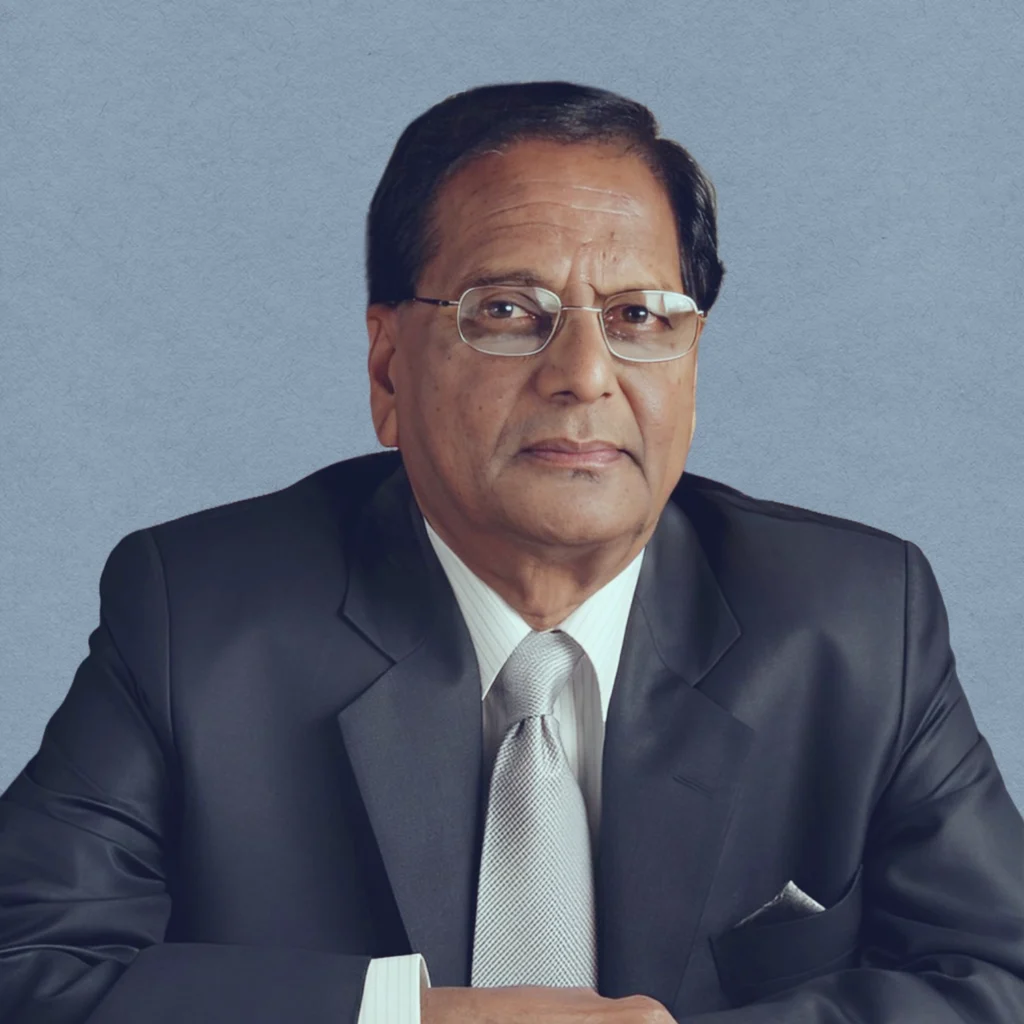
Dr. Kallam Anji Reddy was a scientist, entrepreneur and philanthropist. In 1984, he founded Dr. Reddy’s Laboratories to make medicines more affordable and build greater research capability within the Indian pharmaceutical industry.
A decade later, India’s economy was growing rapidly. He wanted more people to share in that progress. In 1996, he founded Dr. Reddy’s Foundation to expand access to quality education and skills for young people from low-income communities.
Dr. Anji Reddy received the Padma Shri in 2001 and later the Padma Bhushan for his contribution to the Indian pharmaceutical industry.
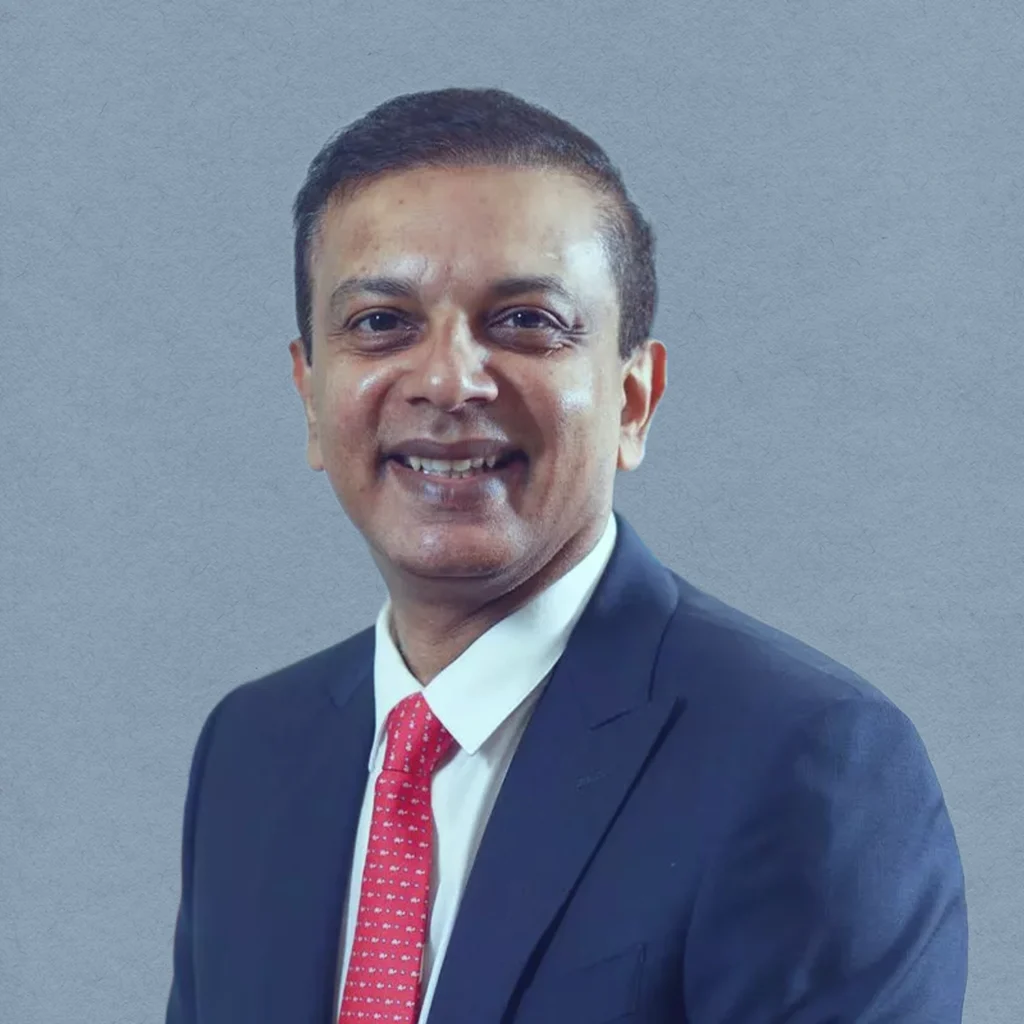
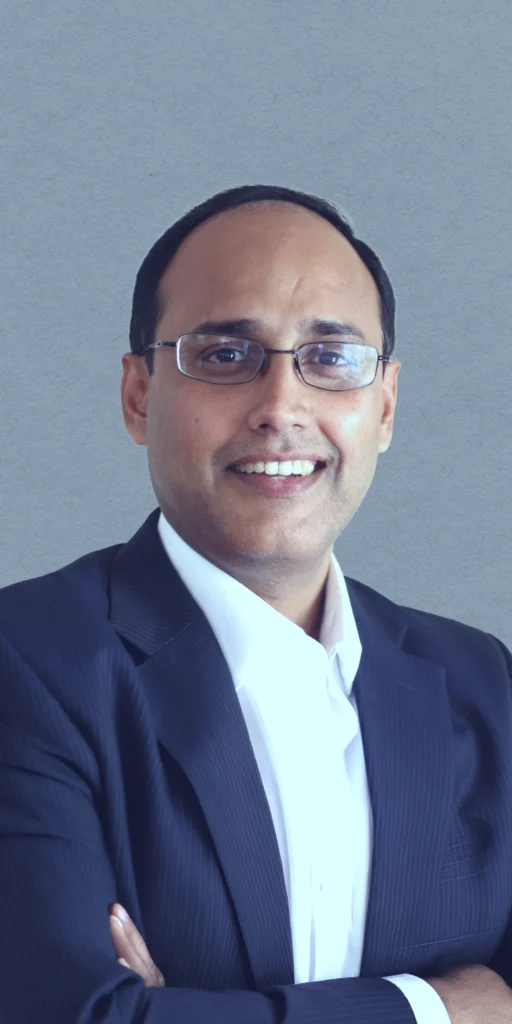
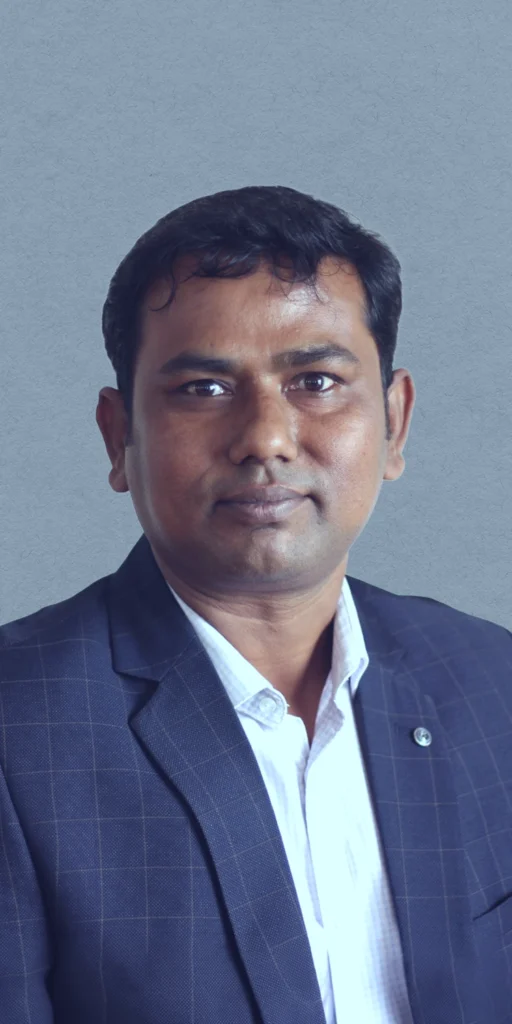
Satish Reddy is the Chairman of Dr. Reddy’s Laboratories and Dr. Reddy’s Foundation. He has played an important role in policy discussions around India’s patent law, drug pricing and amendments to the Drugs and Cosmetics Act.
He is interested in how human capital can strengthen India’s productive capacity. He is also an advocate of responsible corporate citizenship and supports several not-for-profit organisations. As a hands-on Chairman of DRF, he closely follows its work and encourages the Foundation to explore new models of vocational education and sustainable livelihoods for young people.
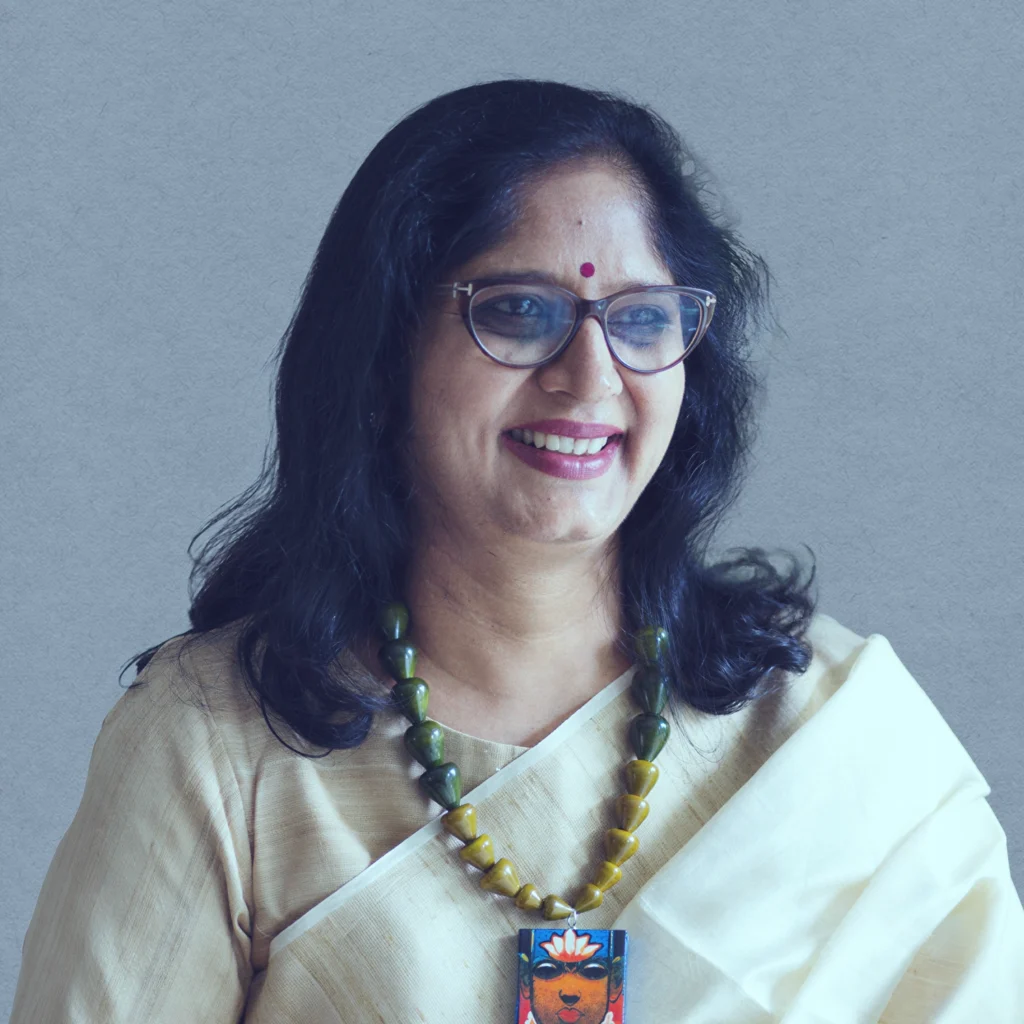
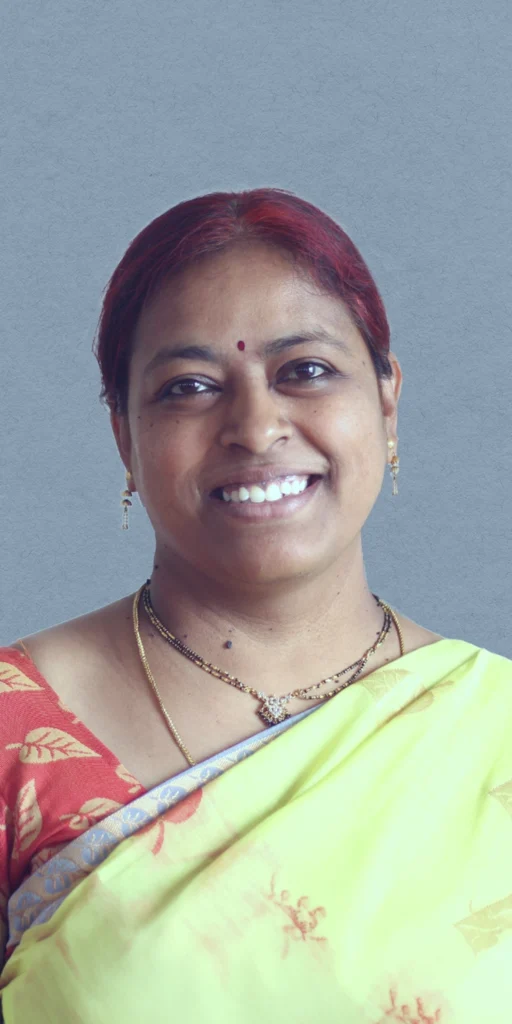
Anuradha Gunupati is the Founder Trustee of Dr. Reddy’s Foundation. She takes a close interest in the Foundation’s work and provides guidance on its education and livelihood programmes. Her commitment to quality education, irrespective of economic background, led to the establishment of schools for children from low-income communities.
A keen supporter of arts and culture, she believes in their potential as a medium for social change. She founded Saptaparni, a cultural hub in Hyderabad that curates thoughtful experiences, encourages dialogue and promotes Indian culture, particularly the performing arts.
Continuing the philanthropic legacy of her father, Dr. Kallam Anji Reddy, she supports organisations and arts festivals, particularly in education, art and health.
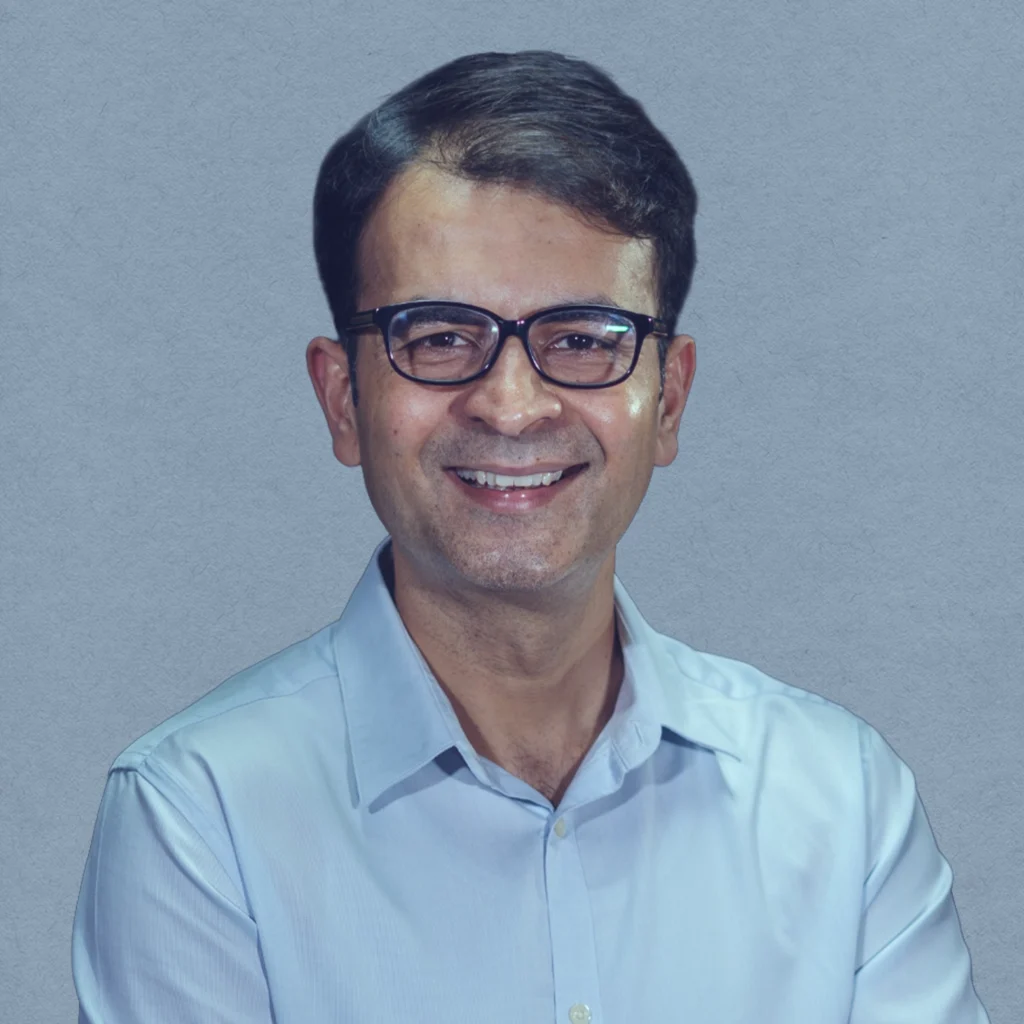
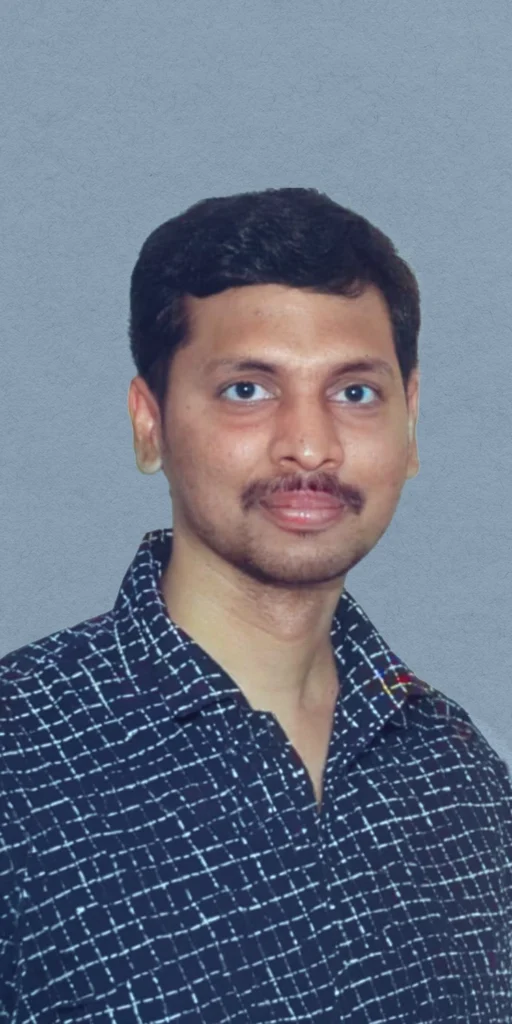
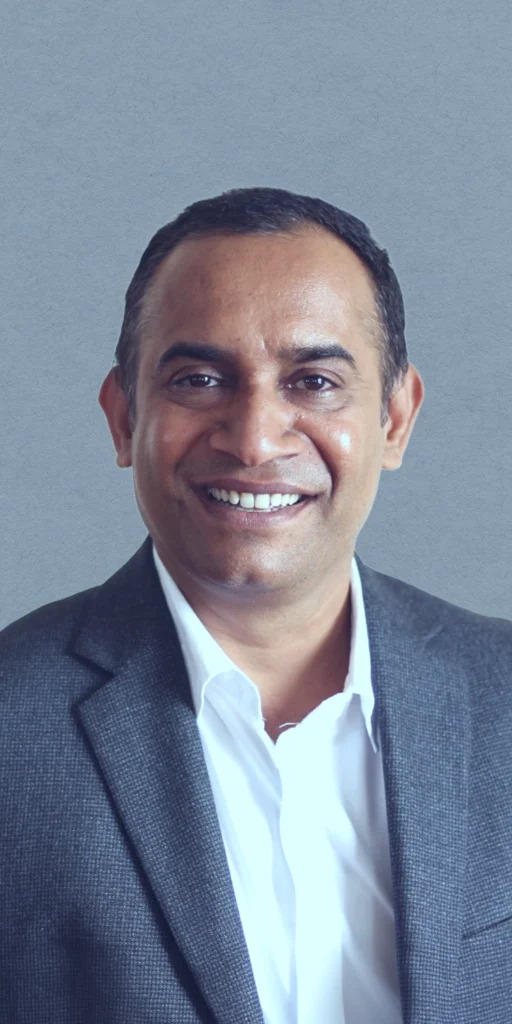
Shamik Trehan has been with DRF since 2015 and brings extensive experience in leading large social sector programmes with communities, governments, development agencies and the private sector.
Before DRF, he served as Chief of Party for CARE India’s Bihar Technical Support Program. The programme supported the health and nutrition goals of the Government of Bihar and the Government of India, covering a population of more than 100 million.
Over his career, Shamik has worked with leaders across central and state governments, civil society, the private sector and development agencies, including the Bill & Melinda Gates Foundation, DFID and the European Union.
His core interests are strategy, organisation building and leadership.