Skill Development for Persons with Disabilities in India 2000 to 2026
Over the past two and a half decades, skill development for persons with disabilities in India has undergone a significant transformation. Around the year 2000, vocational training opportunities were limited, largely charity-driven and concentrated in a few urban centres. Today, persons with disabilities are increasingly recognised as rights holders, skilled professionals, entrepreneurs and contributors to economic growth.
This change has been supported by legislative reforms, technological advances, inclusive education, corporate diversity commitments, digital learning and stronger collaboration among governments, industries and civil society organisations. However, while disability inclusive skilling in India has progressed considerably, access and outcomes remain uneven.
How Skill Development for Persons with Disabilities in India Has Changed
In the early 2000s, most vocational programmes for persons with disabilities focused on a limited range of traditional trades. Training was often disconnected from labour-market demand, and opportunities for career progression were limited.
Accessibility standards were not widely followed. Assistive technologies were expensive or unavailable, instructors had limited disability-specific training, and employers were not closely involved in designing courses or recruiting candidates. Women with disabilities, people living in rural areas and persons with multiple disabilities faced even greater exclusion.
The progress of skill development for persons with disabilities in India must therefore be viewed not only in terms of the number of training programmes created, but also through the wider shift from welfare-based support to rights-based economic inclusion.
Persons with disabilities are now more frequently seen as capable employees and entrepreneurs who can participate in different sectors of the economy when the right training, accessibility and workplace support are available.
Policy Changes Supporting Disability Inclusive Skilling in India
Several important developments have helped reshape the skilling ecosystem. The adoption of the United Nations Convention on the Rights of Persons with Disabilities strengthened the rights-based approach to disability inclusion.
In India, the expansion of national skill development initiatives, disability-inclusive policies and the Rights of Persons with Disabilities Act, 2016 created a stronger foundation for training and employment. The recognition of additional disability categories also widened the scope of programmes and brought more people into the skilling ecosystem.
Sector Skill Councils, standardised qualifications, certification systems and greater support for entrepreneurship have contributed to this progress. Online learning platforms and assistive technologies have further expanded access to training.
Together, these changes have made skill development for persons with disabilities in India more organised and connected to the larger education, employment and livelihood ecosystem.
Technology and Skill Development for Persons with Disabilities in India
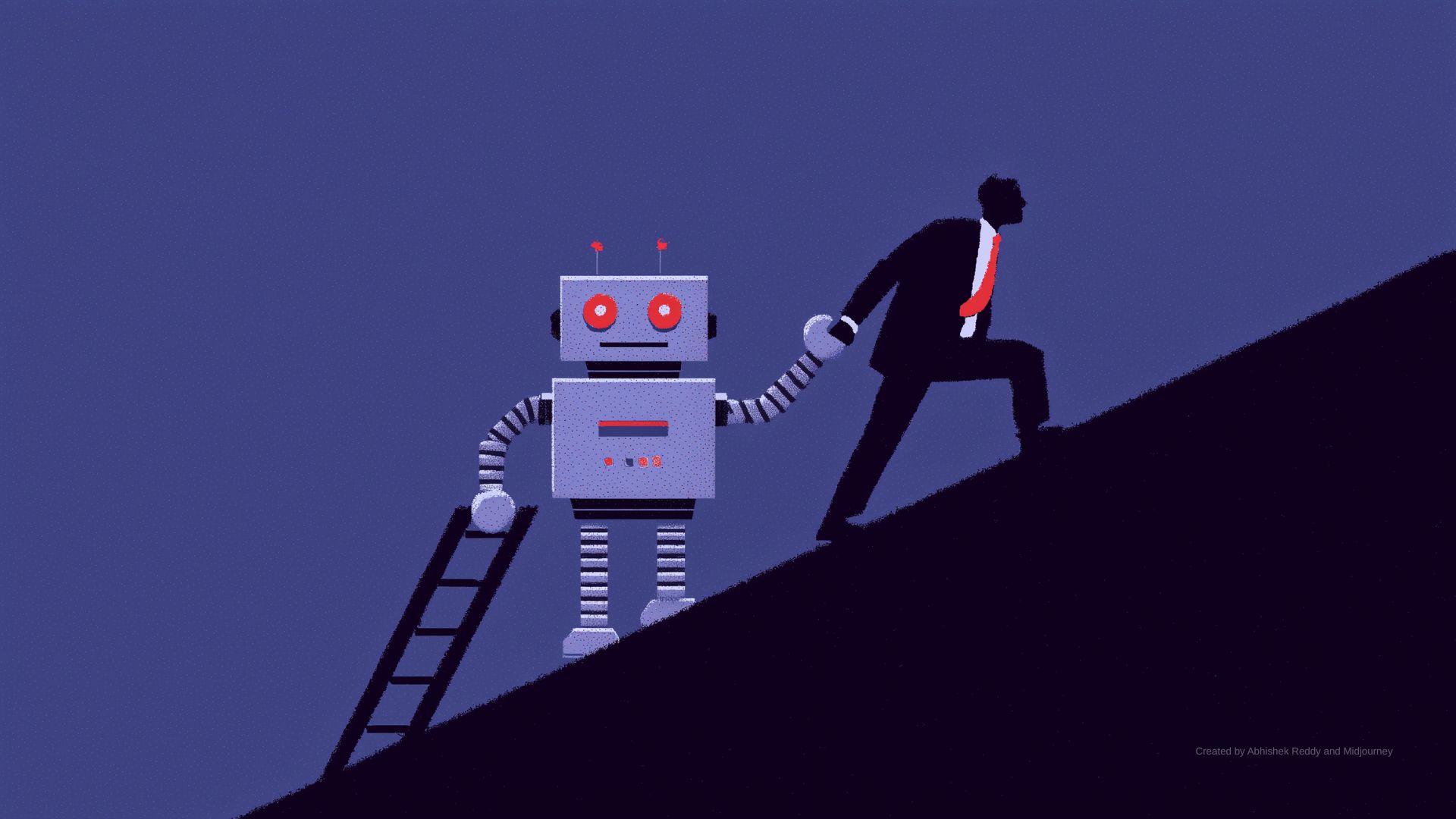
Technology has been one of the biggest enablers of change. Screen readers, magnification software, speech recognition, captioning, hearing technologies, accessible smartphones and AI-powered accessibility tools have made learning more accessible for many people.
Remote learning has also allowed learners to access courses that may not be available in their towns or districts. Virtual classrooms and blended learning models have helped training providers extend their reach beyond metropolitan cities.
Technology, however, does not automatically make a programme inclusive. Digital platforms must be designed with different disabilities in mind. Learners may also require accessible devices, affordable internet connections and individual support to participate effectively.
For skill development for persons with disabilities in India to benefit fully from digital transformation, accessibility needs to be considered from the beginning rather than added later.
The Changing Role of Employers
Employer engagement has also evolved over the years. Companies increasingly recognise that inclusive hiring can contribute to innovation, employee engagement and organisational reputation.
Industry partnerships with training providers now go beyond recruitment. Employers are becoming involved in curriculum design, internships, apprenticeships, workplace accessibility assessments and placement support. This helps ensure that training is connected to actual job roles and changing industry requirements.
Many organisations have also started looking beyond the number of candidates trained or placed. Retention, wages, career progression, workplace satisfaction and long-term employment are gradually receiving greater attention.
This is an important development because the success of disability inclusive skilling in India should not be measured only by whether a person receives an offer letter. It should also consider whether the individual can remain in the job, grow professionally and earn equitable wages.
Challenges Facing Skill Development for Persons with Disabilities in India
Despite the gains made since 2000, several challenges continue to affect skill development for persons with disabilities in India.
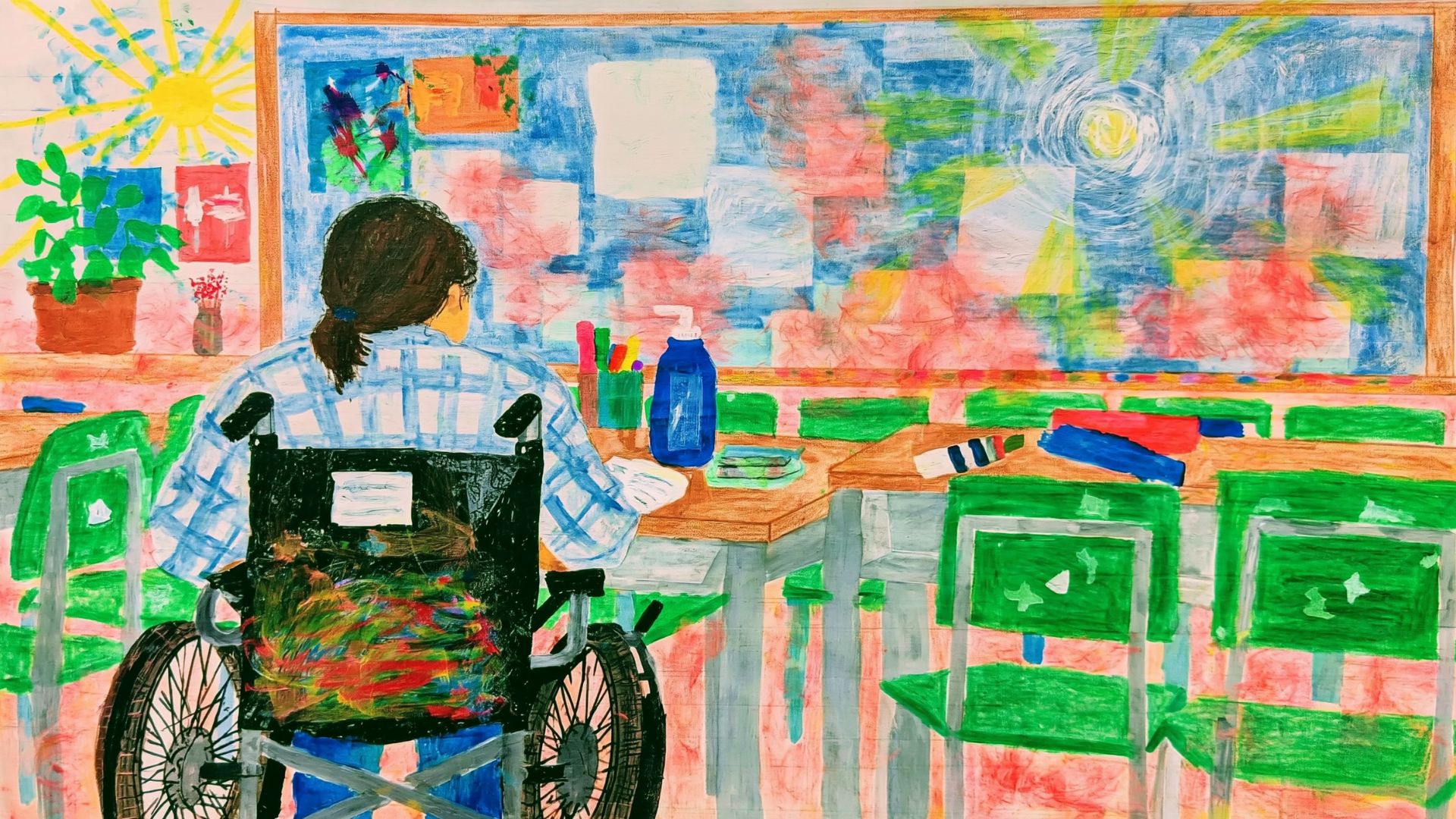
Access to training remains uneven across states, particularly in rural and remote areas. Many training centres are still not physically accessible, and there is a shortage of instructors with disability-specific pedagogical skills.
Transport, accommodation and family support can prevent individuals from joining or completing training. Women with disabilities often face additional barriers related to safety, mobility, family responsibilities and social norms.
Digital transformation has created new opportunities, but it has also created new inequalities. Learners who do not have access to suitable devices, reliable internet or accessible content may be left behind. Persons with intellectual disabilities or complex support needs may require adaptations that are not consistently available.
Funding models are another concern. When programmes focus heavily on short-term placement numbers, training providers may be encouraged to enrol candidates who are easier to place. Individuals with higher support needs may then receive fewer opportunities.
There is also a continuing mismatch between some training programmes and labour-market demand. While employers increasingly require skills in digital services, logistics, healthcare, manufacturing, retail, hospitality, financial services and the green economy, some programmes continue to offer outdated trades with limited career prospects.
Major Advances Since 2000
The most important improvements in the skilling ecosystem include:
- A shift from charity-based support to rights-based economic inclusion
- Stronger legislation and policy support
- Expansion of accessible technologies and digital learning
- Greater employer participation and diversity commitments
- Growth of standardised qualifications and certification
- Improved placement support and career services
- Higher public awareness and some reduction in stigma
- More opportunities for entrepreneurship and self-employment
These developments have expanded the meaning of skill development for persons with disabilities in India. Skilling is increasingly being connected with economic independence, meaningful employment and participation in society.
Continuing Gaps in the Skilling Ecosystem
Important gaps that still require attention include:
- Uneven implementation of skilling initiatives across states and rural areas
- Limited accessibility in many training centres
- A shortage of trained and inclusive instructors
- The digital divide affecting marginalised learners
- Placement-focused funding at the expense of long-term careers
- Persistent social stigma and gender barriers
- Limited support for persons with high support needs
- Weak post-placement retention and career progression systems
- Limited and fragmented labour-market data
Addressing these gaps will require closer coordination among governments, training organisations, employers, technology providers, families and persons with disabilities themselves.
Way ahead for Skill Development for Persons with Disabilities in India
The period from 2000 to 2026 reflects one of the most important transformations in disability inclusion in India. The ecosystem has moved from isolated vocational programmes towards a broader skilling framework connected to education, technology, entrepreneurship and employment.
The next phase of skill development for persons with disabilities in India should focus not merely on enrolment, training completion or initial placement. Greater attention must be given to sustainable careers, career progression, equitable wages, workplace accessibility, entrepreneurship and leadership by persons with disabilities.
The future of disability inclusive skilling in India will also depend on how effectively training responds to new employment opportunities and changing skill requirements. Courses must remain relevant to the labour market while also providing the individualised support that different learners may require.
True success will be measured by whether persons with disabilities have equal opportunities to develop their abilities, achieve economic independence and participate fully in society.
Author
Ashok Kumar | Sr. Manager – Operations, GROW PwD
Read More

Seeing Mangrove Restoration as a Living System

AI and critical thinking in education: The Answer Came Too Easily