Seaweed is often misunderstood as mere beach debris, but it is far more than that. This marine algae is a powerhouse of potential, offering significant environmental, economic, and nutritional benefits. Also known as kelp farming, this is an emerging industry that holds promise for a sustainable future. This blog explores the intricacies of seaweed farming, its benefits, challenges, and its role in shaping a bio-based economy.
What is Seaweed? Understanding the Basics
Seaweed is a type of marine algae that thrives in oceans, seas, and even some freshwater environments. Unlike terrestrial plants, it lacks traditional roots, stems, or leaves. Instead, its fronds absorb nutrients directly from the water. Available in various colours—green, brown, and red—seaweed is a vital component of marine ecosystems, providing food and habitat for numerous marine species.
Seaweed farming involves cultivating and harvesting seaweed for diverse applications. This can range from collecting naturally occurring weed to managing its entire lifecycle in controlled farms. As marine biologist Dr. Alan Critchley highlights in his research, “Sustainable seaweed cultivation offers a compelling pathway towards a bio-based economy.”
Seaweed Cultivation Methods: From Ropes to Rafts
To optimise growth, sustainability, and yield, various cultivation methods have been developed:
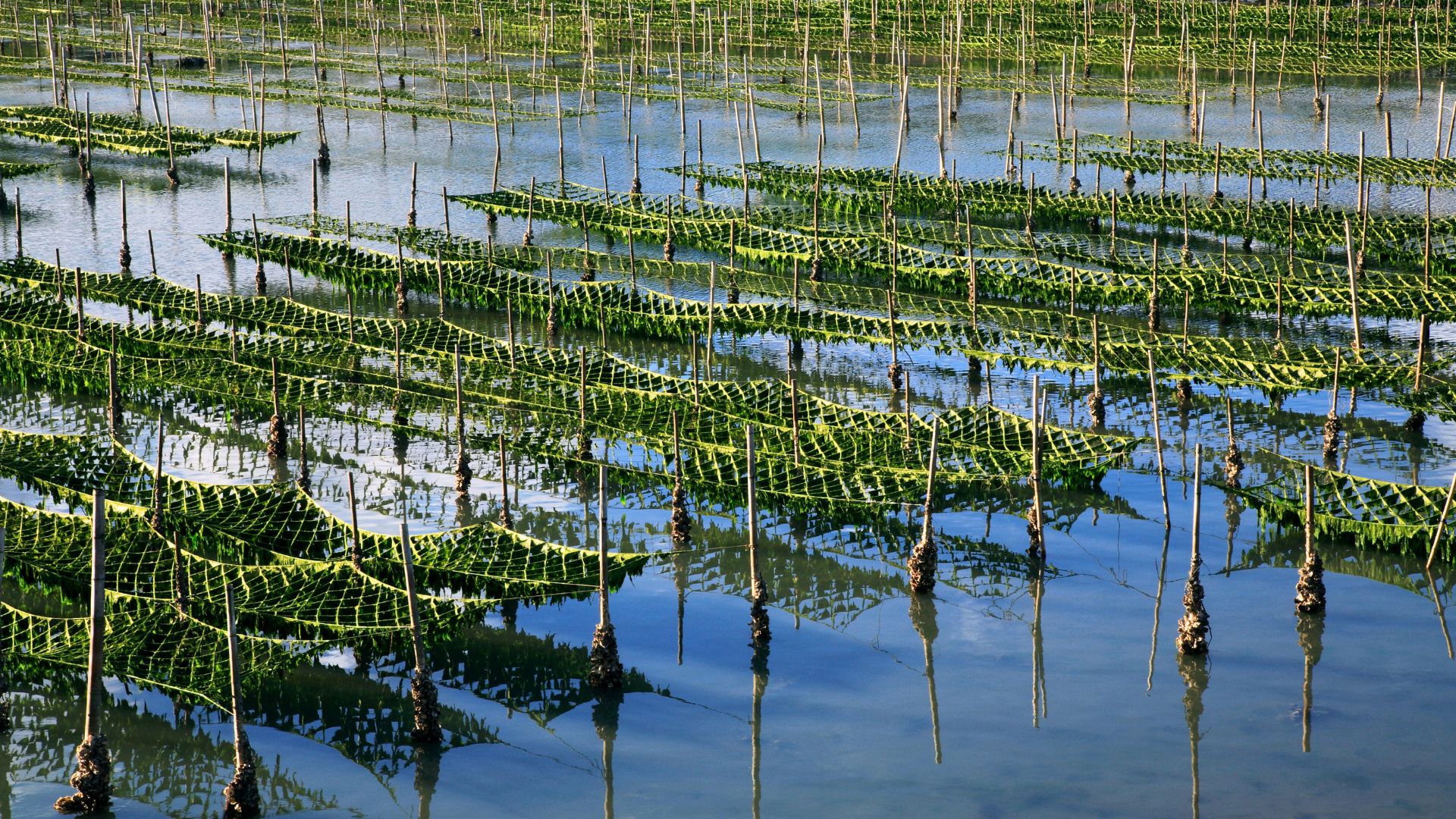
1. Rope Method: Seaweed is attached to ropes or nets suspended in shallow coastal waters. This method is commonly used for species like Kappaphycus alvarezii and Gracilaria edulis.
2. Raft Method: Grown on floating structures or rafts, and ideal for species such as Laminaria japonica and Undaria pinnatifida, which require deeper waters.
3. Bottom Culture: Seaweed is cultivated directly on the seabed, suitable for species like Sargassum and Turbinaria that naturally attach to the ocean floor.
These methods ensure efficient and eco-friendly farming, making it a viable option for sustainable ocean harvesting.
The Benefits of Seaweed Farming: Environmental and Economic Advantages
Seaweed cultivation offers a wide array of benefits, making it a cornerstone of sustainable development:
1. Environmental Sustainability: It requires no land, freshwater, or fertilisers. It actively improves water quality by absorbing excess nutrients and carbon dioxide, addressing critical issues like ocean acidification and eutrophication.
2. Economic Development: Coastal communities, especially in developing nations, benefit from farming through income generation and employment opportunities. It serves as a pathway out of poverty for many.
3. Nutritional Powerhouse: Seaweed is rich in essential nutrients such as iodine, calcium, iron, and antioxidants. Its low-calorie, high-fibre profile has earned it recognition as a superfood, widely used in Asian cuisines and gaining popularity in Western diets.
4. Industrial Applications: Seaweed has diverse uses, ranging from health and beauty products to pharmaceuticals and biofuels. Its potential as a renewable energy source is particularly promising.