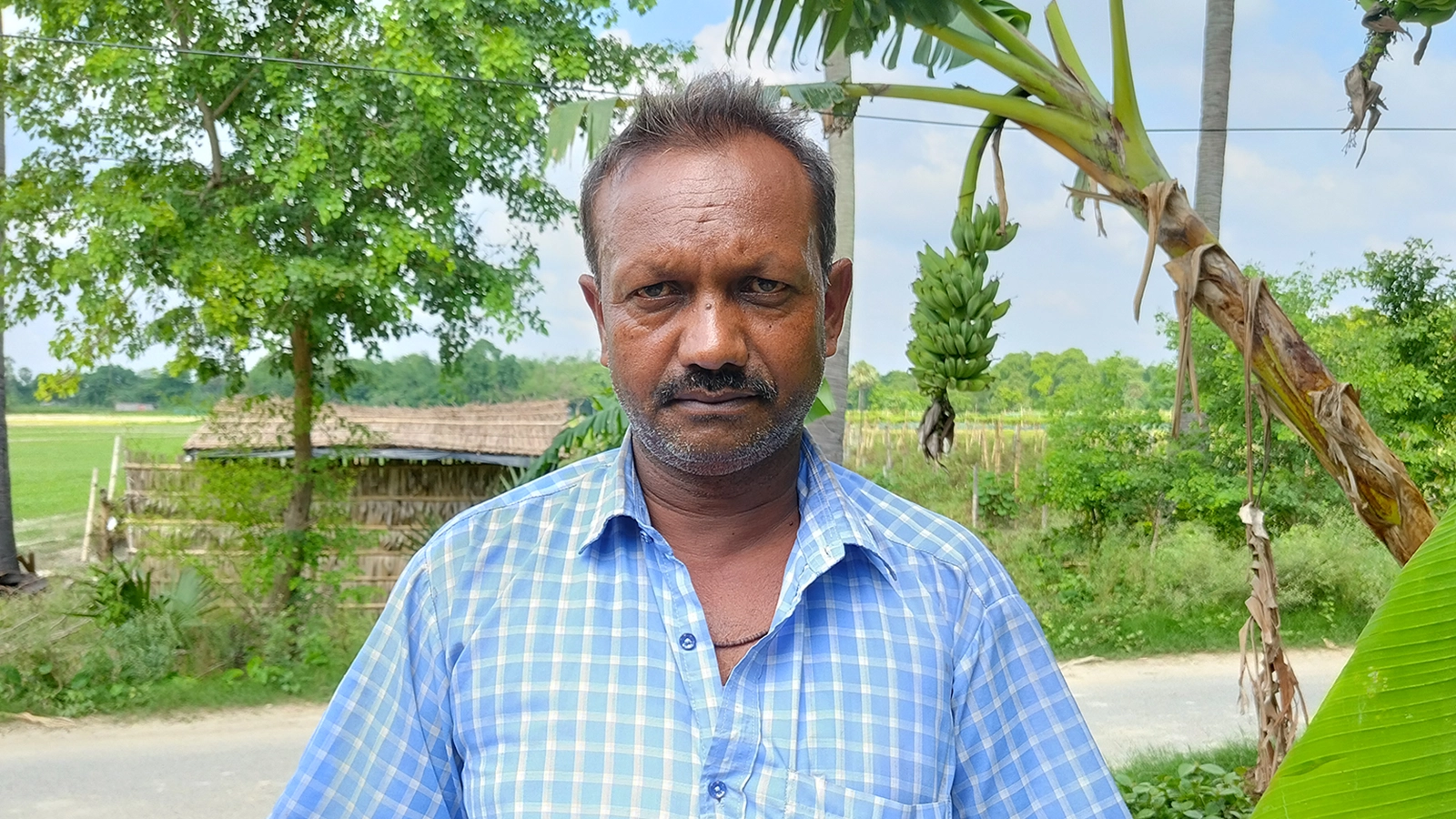
My father has spent most of his life farming. For nearly 15 years, he has worked on our land, growing potatoes along with maize and wheat. We own around seven acres, and for our family, the land has always been our main source of livelihood.
But farming was never easy. The yield from maize was usually around one and a half to two quintals per katta. The income was limited. Even with seven acres of land, there was no guarantee of how much the harvest would bring home.
Still, my father had one clear hope for me. He did not want me to struggle the way he had. For him, my education was an investment in a future that would not depend on the weather, crop prices, or the success of a harvest. He worked hard to make sure I completed my degree.
After finishing my B.Com, I moved to Delhi to look for a job. Like many young people from villages, I believed that getting a job in the city would change things. After some searching, I got a job with a small software company. But the reality was different from what I had imagined. My salary was low, and living in Delhi was expensive. By the time I paid my rent and covered my daily expenses, very little was left. The job that was supposed to give my family financial stability was only helping me manage my own expenses in the city.
Then COVID happened. Like many others, I had to rethink everything. I decided to leave my job and return home. At first, I did not have a clear plan. I wanted the independence that came with building something for myself instead of working only to pay rent and manage expenses.
Before I could start a business, however, I began spending more time with my father in the fields. I started helping him with the farming. What began as a temporary arrangement slowly became something more important to me.
In the city, I had been working for someone else and struggling to make ends meet. On the farm, I felt a different kind of independence. I could make decisions, try new ideas, and see the results of my own work.
I was also aware that my father was getting older. Eventually, I took over much of the farming work.
We continued cultivating potatoes along with maize and wheat. For potatoes, we had traditionally grown the Jyothi variety. We usually got around two to three quintals per katta. If we sowed the crop early, the yield could be even lower.
I started looking for ways to improve our farming methods. I watched YouTube videos and tried some of the techniques I learned there. The yield increased by around one quintal. But it was not enough.
The size and quality of the potatoes remained almost the same. So I continued looking for better ways to improve our yield. Around that time, I met the team from Dr. Reddy’s Foundation. They introduced me to the LR variety of potato and suggested that I try it on a small portion of my land first. I decided to use one katta as a trial.
Along with introducing the new variety, they guided us on the kind of fertilisers to use and the right quantity to apply. Instead of changing everything across the entire farm immediately, I could compare the results of the trial with the crops we were already growing.
When the time came to harvest, the difference was clear. From the one katta where I had tried the LR variety, I got around six quintals of potatoes. On the other land, the yield was around three quintals. The potatoes from the trial plot were bigger, rounder, and redder, and looked noticeably better than the rest of the crop.
Today, the harvest is complete, and I am waiting to sell the potatoes. I am hopeful that the better size and quality will help me get a better price in the market. Next season, I plan to use the LR
Now, I do not see farming as something I returned to because I had no other option. Instead, I see it as an opportunity to build a stronger future.