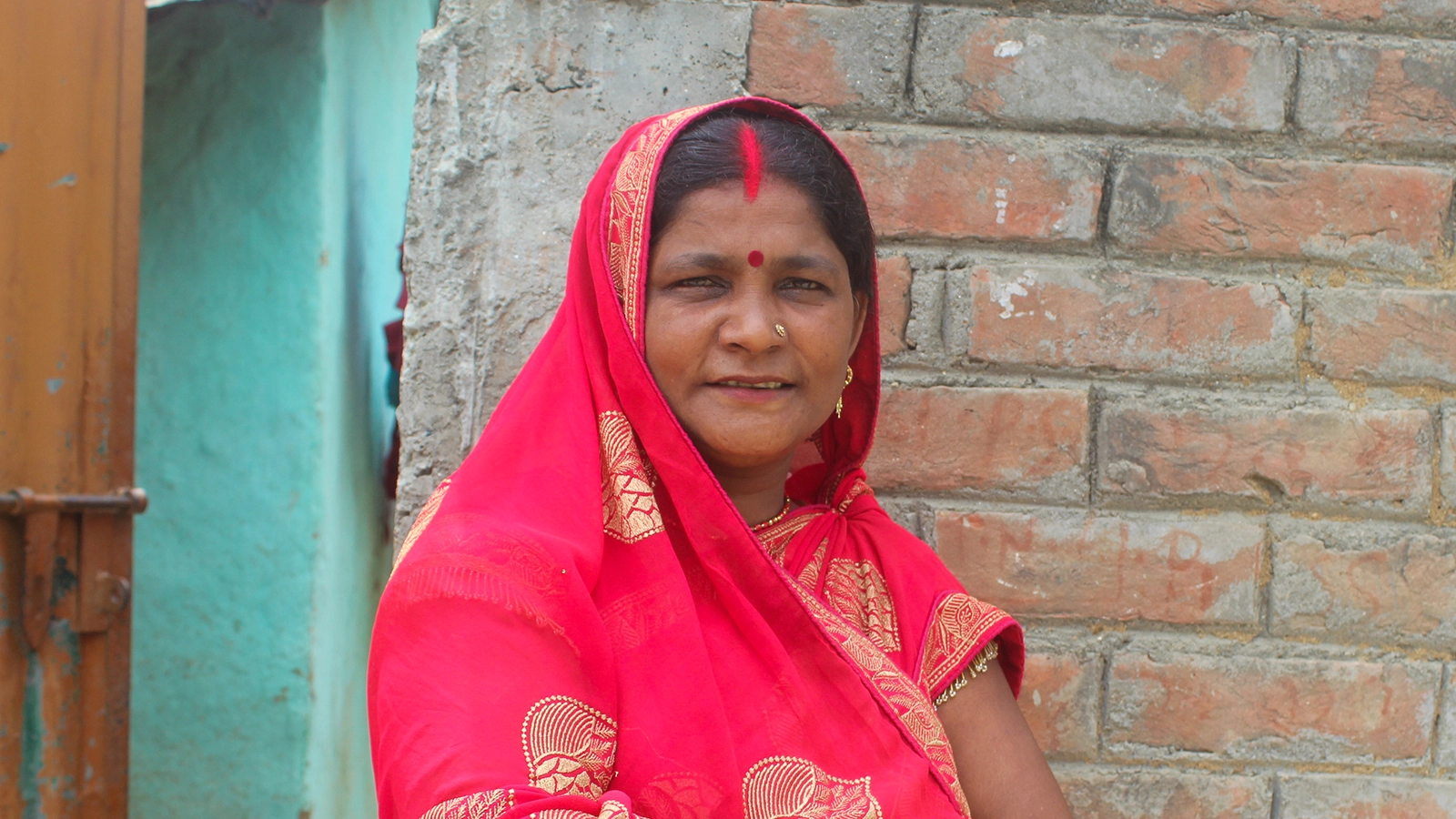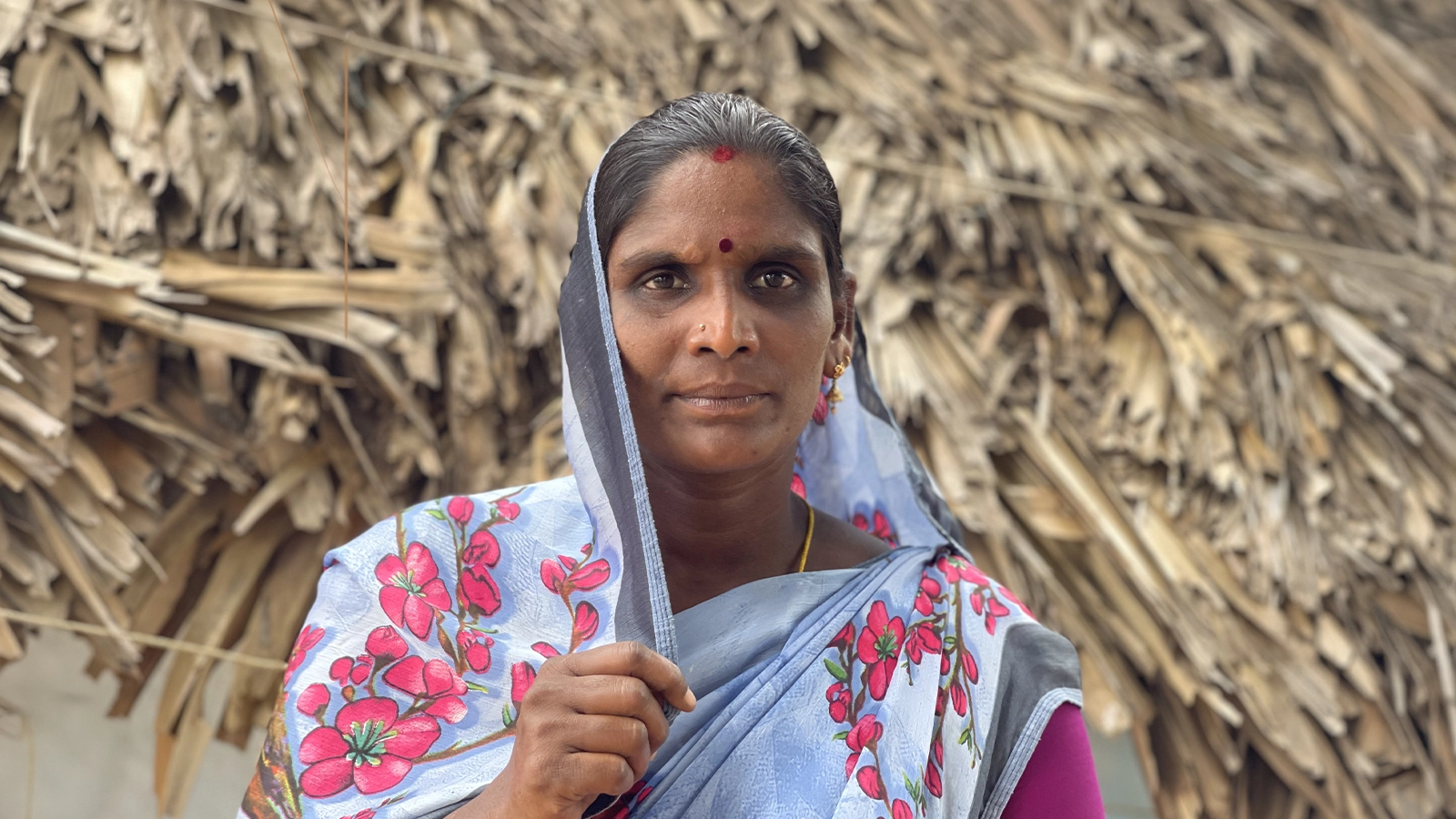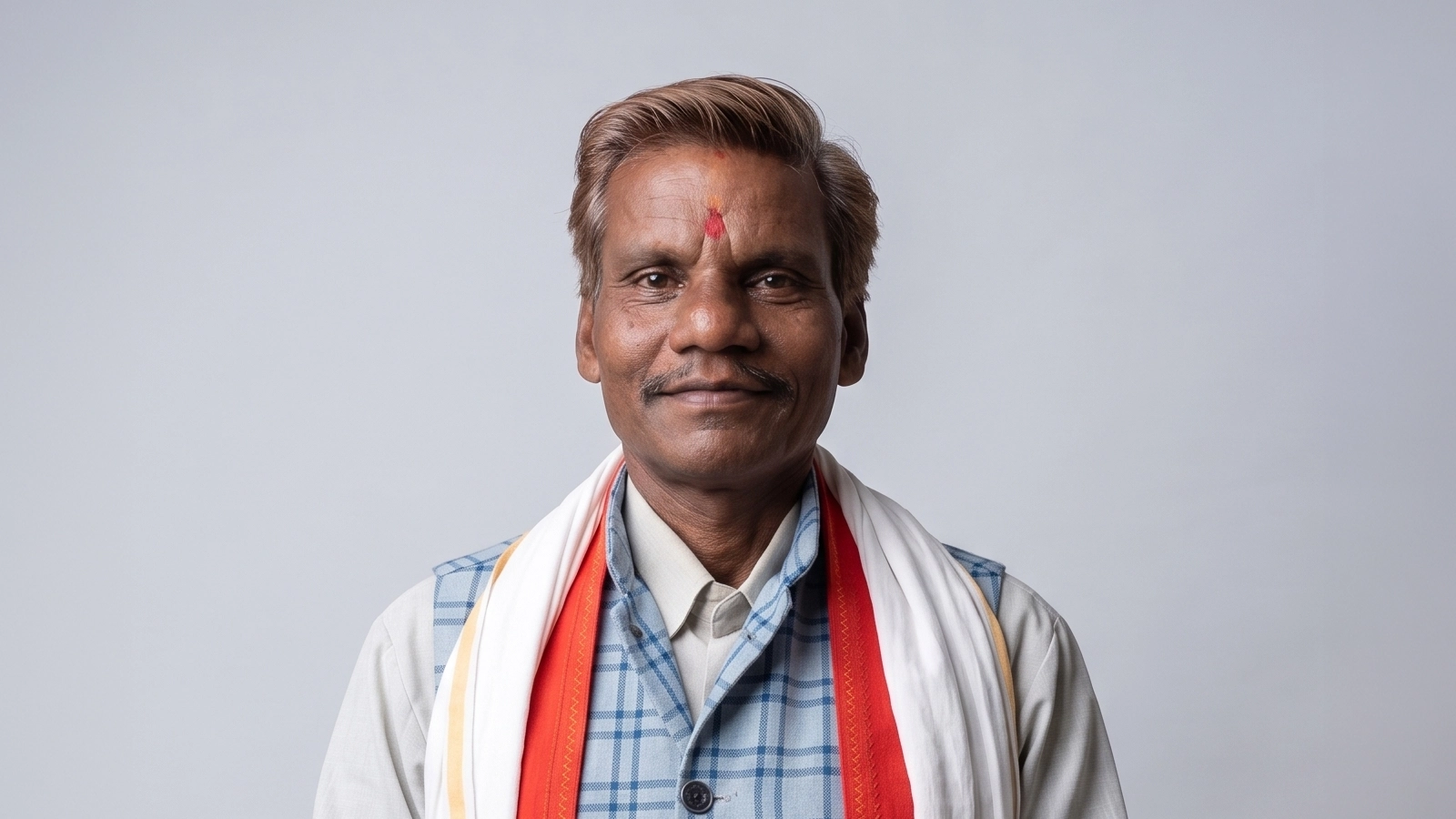
Farming was very different when I first started, nearly sixty years ago. There were no machines, no equipment, and no shortcuts. Everything had to be done by hand. From preparing the land to sowing and harvesting, every step needed physical effort. Work never really ended. Even after sunset, there would still be something left to do for the next day. It was hard on the body, but in those days, that was simply life.
I was in 7th class when I left school and joined my father in the fields. I was doing well in my studies and wanted to continue, but I was the elder son, and responsibility came first. My father was managing both the farm and the household almost on his own. I could see the pressure on him. So, I left school and went with him.
I still remember my first day in the field. Until then, I had never really done farm work myself. Once I stepped into it, I understood how difficult it was. Ploughing, carrying loads, standing for long hours in the heat, everything felt heavy. Many times, I felt I was only slowing my father down instead of helping him. But he never lost patience with me. He taught me every step, slowly and carefully, until the work became part of me.
We had three acres of land and grew ragi, pearl millet, and paddy. Paddy was mostly for our own food. The money came from selling ragi and millet. In those days, farming depended almost entirely on rainfall. There were no proper irrigation systems. Whatever water was collected in the wells was all we had. If the monsoon was good, we could manage. If it failed, there would be no crop, no income, and no certainty. I have seen drought years when even getting through the day felt difficult. There were times when we ate only once.
Things began to change slowly over the years. Borewells came, irrigation improved, and farming became a little more dependable than before. But even then, the income was only enough to keep the household going. There was never much left after that.
About fifteen years ago, I decided to try maize on one and a half acres. At that time, we were still dependent on oxen for ploughing. For sowing, I had to hire 15 to 20 labourers. Even then, many seeds would get struck by the plough and fail to germinate. Weed growth was also high. The work was tiring and the method was not efficient, but maize had good market demand, so I continued.
Five years ago, I spoke to the Dr. Reddy’s Foundation team. By then, I had heard other farmers talk about Reddy’s Foundation’s new cultivation methods, especially Zero Tillage. At first, they suggested that I try it only on a very small patch, just 7 cents of land. I agreed.
That one small patch changed my thinking. From those 7 cents, I harvested nearly 3.5 quintals. In the rest of the field, where I had used the traditional method, I got only about 2 quintals for the same area. That difference was enough for me to understand that this was not a small change. It could change the way I farmed.
After that, I adopted Zero Tillage across my land. The difference was clear. Earlier, sowing one acre would take two full days. Now it takes just one day with 3 to 4 labourers. Weed growth has reduced. Labour costs have come down. The crop is better. Today, I get around 40 to 45 quintals per acre.
I also got my soil tested. Earlier, I used to apply the same fertilisers everywhere without really knowing what the soil needed. That was how most of us farmed. But after the test, I understood that each field has its own need. Now I use only what is required. That has reduced unnecessary costs and helped me manage the land better.
Another important change came through livestock. I have a cow, and earlier we used to feed it paddy straw. Later, I shifted to Green Napier grass. After that, the milk yield increased from around 5 litres to 7 litres per milking. The quality also improved, and now we get nearly Rs 40 per litre because of the better fat content. That gave us one more steady source of income.
With better yields and lower costs, I now save up to Rs 50,000 per acre after expenses. I now cultivate on 7 acres. We also bought a tractor, which reduced our dependence on labour.
Today, my grandchildren are studying in good schools and colleges. When I see that, I feel something I cannot easily put into words. I had to leave school very early, but the next generation in my family has had opportunities I could not have imagined for myself at that age.
I am 73 years old now, and I no longer work in the fields the way I once did. My sons have taken over the farming responsibilities. I guide them when they need advice, but mostly I watch from the side and think about all that has changed. When I look back, it feels like a long journey. If someone had told the young boy who left school in 7th class that life would one day look like this, I would not have believed it. But today, I feel satisfied seeing how far we have come.