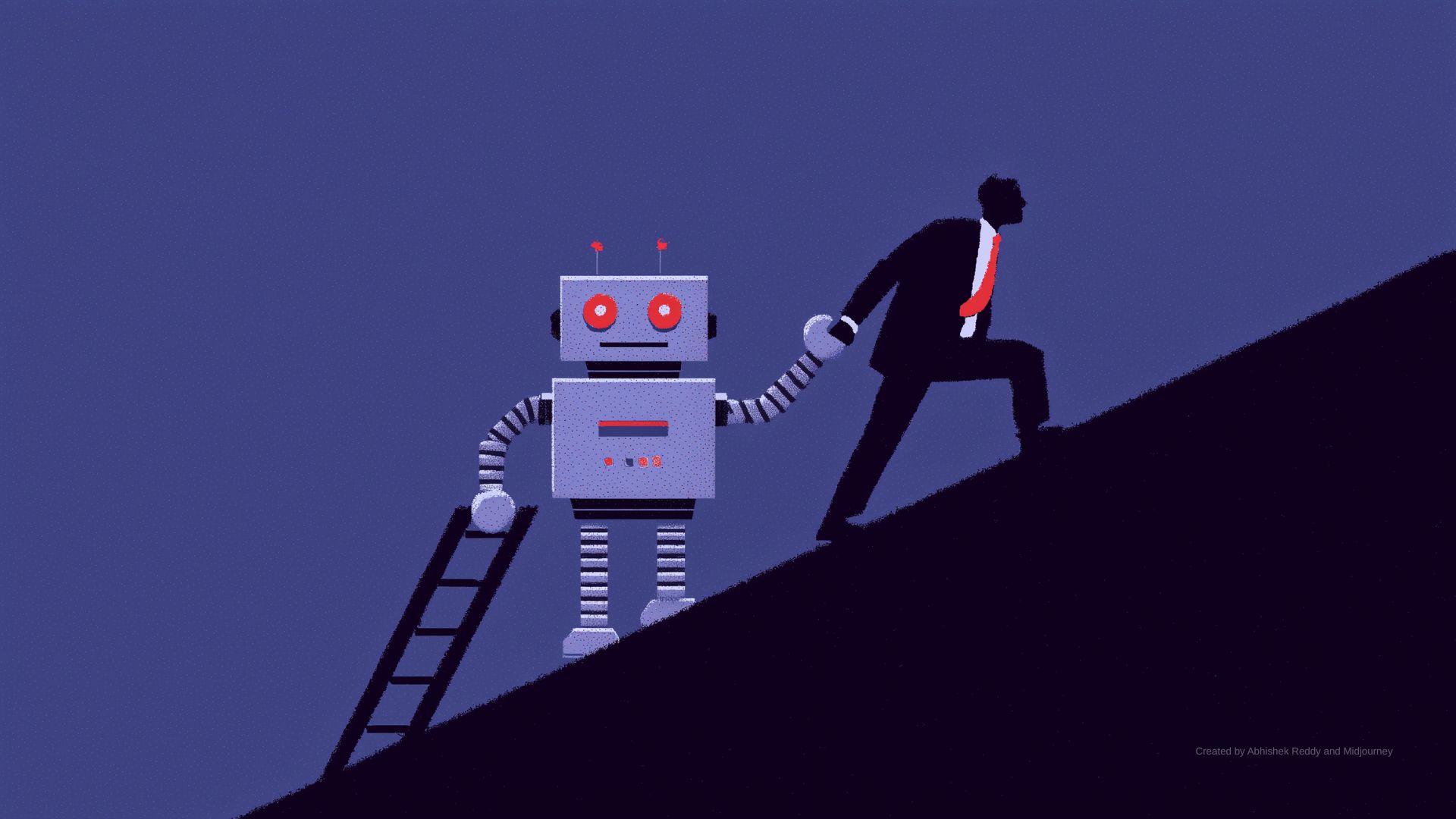
AI in promotions raises difficult questions about merit, bias, visibility, and the limits of data. The piece offers a balanced view on where AI can help, where it can go wrong, and why human judgement must remain central to promotion decisions.
Promotion is one of the most sensitive decisions an organisation makes. It decides who gets power, visibility, money, and opportunity. It tells everyone what the organisation values.
For years, promotion decisions have been shaped by performance, potential, manager advocacy, timing, and sometimes politics. Employees understand this when it is not said. The arrival of AI raises a difficult question. Can an algorithm make this fairer or will it make unfairness look scientific?
Why AI in promotions feels tempting
AI in promotions feels attractive because human judgement is imperfect. Managers may overvalue confidence, familiarity, availability, or people who work in a style like their own. Quiet performers may be missed. Field employees may receive less visibility than headquarters teams. Some employees may face disadvantages that do not appear in formal reviews.
A good system can compare performance records, learning history, peer feedback, project outcomes, and tenure patterns. It can show who is delivering but not being nominated, and where promotions are concentrated among a narrow group.
This matters because trustworthy AI in the workplace must be safe, fair, transparent, and respectful of privacy and labour rights. It should help humans make better decisions, not replace accountability.
What AI can see
At its best, AI in promotions can reduce some arbitrariness. It can help HR ask sharper questions. Are high performers being promoted at similar rates across teams. Are employees with similar ratings getting different outcomes based on location or manager. Are decisions rewarding contribution or only visibility.
It can also bring consistency. Many organisations say they promote on merit but merit is often not clearly defined. Is it target achievement. Is it leadership behaviour. Is it ability to handle ambiguity. Unless these are defined, promotion becomes a story told after the decision.
AI can organise evidence but it cannot define values. That remains a leadership responsibility.
What AI cannot see
This is where caution is needed. Data is never neutral by default. It comes from systems created by people. If past performance ratings were biased, the algorithm learns bias. If high visibility projects were historically given to a certain group, the model may treat that group as more promotable. If the organisation has rewarded constant availability, AI may confuse overwork with leadership potential.
The NIST AI Risk Management Framework says trustworthy AI should be valid, reliable, accountable, transparent, explainable, privacy-enhanced and fair, with harmful bias managed. In promotion decisions, these are basic safeguards.
Promotion is not only about past performance. It is also about readiness for a larger role. That includes judgement, maturity, empathy, ethical sense, and the ability to carry responsibility when the answer is not obvious. These qualities leave traces in data but cannot be fully captured by it.
This is the danger of AI in promotions. It may give leaders the comfort of objectivity without the burden of reflection.
A responsible path for AI in promotions
The question is not whether AI should decide who gets promoted. It should not decide alone. The better question is how HR leaders can use AI responsibly to strengthen fairness without removing human judgement.
A good approach would include five practices. Define promotion criteria clearly before using any tool. Tell employees what data is being used and why. Audit outcomes across gender, age, disability, location, and role type. Keep human review mandatory. Allow employees to question decisions.
AI can support promotion decisions. It can expose patterns and make invisible inequities harder to ignore. But it should not become the final judge of human potential. Promotions are about merit, but merit is not a spreadsheet. It is performance seen in context and potential tested in context.