


UNFOLDING...

Preparing young people to enter the world of work with relevant skills, confidence and informed choices.

Skill
Development

OUR WORK IN
NUMBERS

Our skill development work helps young people from low-income households prepare for employment through relevant training and placement support. The figures below show the reach of these initiatives, women’s participation and our presence across states. They offer a view of how we are expanding access to skills and connecting more young people with opportunities to earn and build their careers.

129

GROW

centres

5 LAKH+

Individuals

supported

22

States


AN OVERVIEW

AN
OVERVIEW

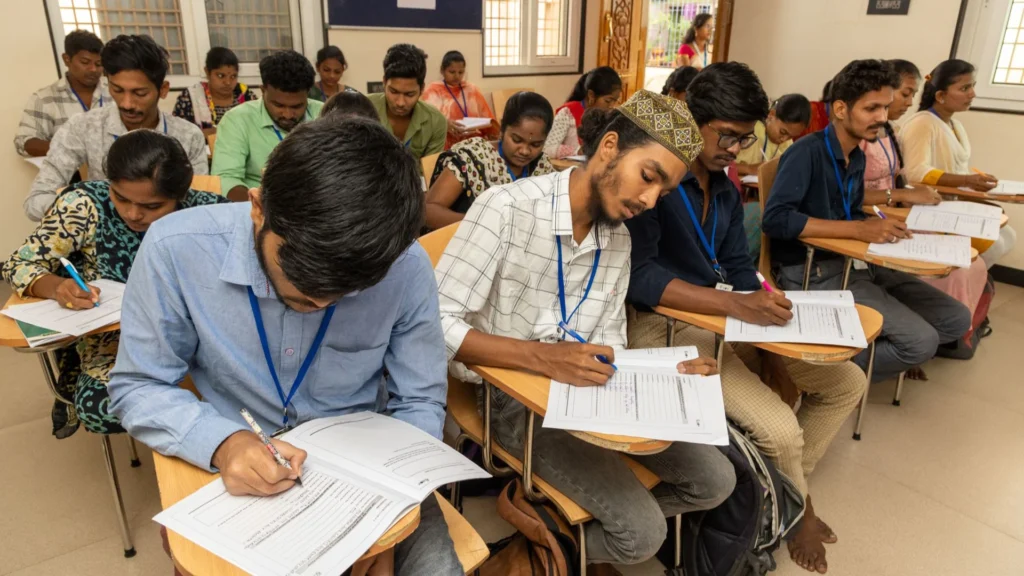
Young people need more than training for a first job. They need capabilities that employers value, an understanding of the opportunities available to them and the confidence to make informed career choices.

Dr. Reddy’s Foundation began working in skill development in 1999 through the Livelihood Advancement Business School. LABS combined short-duration training with placement support, helping young people from low-income households prepare for opportunities in the formal sector.

The model has continued to evolve with changes in the labour market. 

Today, our programmes combine core employability skills with specialised training in technology, green jobs, pharmaceutical manufacturing and healthcare.

Different pathways respond to the needs of high-school graduates, college graduates, women returning to work and young people in rural communities.

Across these programmes, the focus remains on what happens after training: entry into employment, adjustment to the workplace and the potential for longer-term career growth.

WHY THIS
WORK MATTERS

WHY THIS
WORK MATTERS

India’s labour market is being reshaped by digitalisation, the green-energy transition and new forms of employment. Yet access to structured vocational training remains limited.

4 _. 9 ^%

Of young people aged 15–29 have received formal vocational or technical training.

21 _. 2 ^%

Have acquired vocational or technical skills through informal sources.

The challenge is not only to expand training. It is to ensure that training leads to capabilities employers recognise, better employment outcomes and sustained value for young people.

Source: Economic Survey 2025–26, Chapter 12: Employment and Skill Development, Government of India. Figures are based on the Periodic Labour Force Survey 2023–24.

HOW WE
WORK

HOW WE
WORK

01

Build core

employability skills

Develop communication, digital literacy, problem-solving, workplace behaviour, financial awareness, interview readiness and other capabilities needed across sectors.

02

Create distinct

pathways

Design programmes around different learner profiles, educational backgrounds and career aspirations rather than use a single training model for everyone.

03

Prepare for emerging

opportunities

Offer technical training for careers in technology, electric mobility, renewable energy, pharmaceutical manufacturing, healthcare and other sectors with growing demand.

04

Connect training with

employment

Use employer inputs, career guidance, job matching and placement support to help aspirants make realistic and informed transitions into work.

05

Extend access through

technology

Use online, blended and self-learning models to reach learners beyond conventional training centres and support continued learning.

OUR
INITIATIVES

OUR
INITIATIVES

GROW

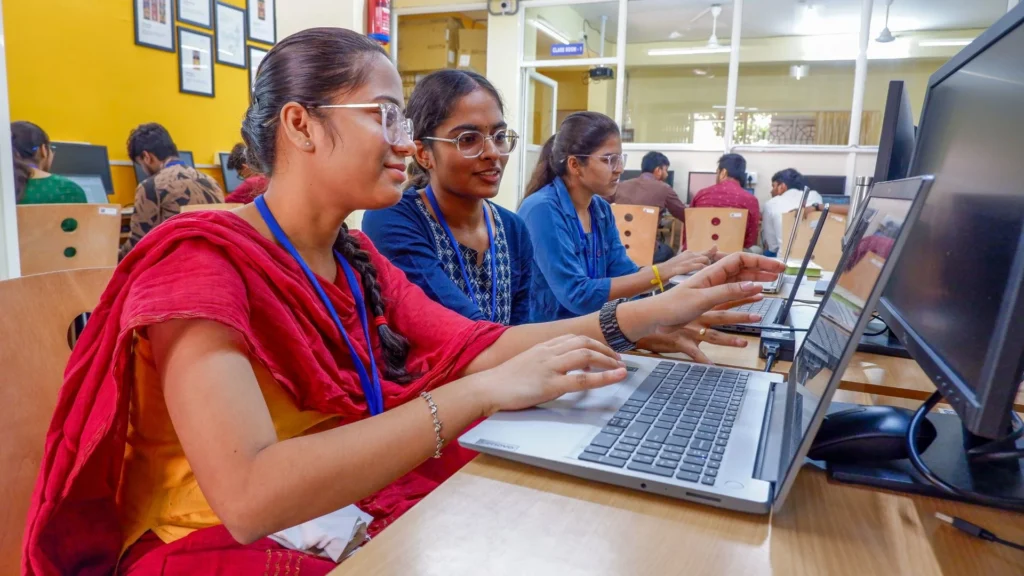
GROW, our flagship youth-skilling portfolio, prepares high-school and college graduates for formal-sector employment and supports women entering or returning to work. Its programmes combine core employability skills with career guidance and placement assistance, while instructor-led online training extends access to learners beyond physical centres, including rural communities.

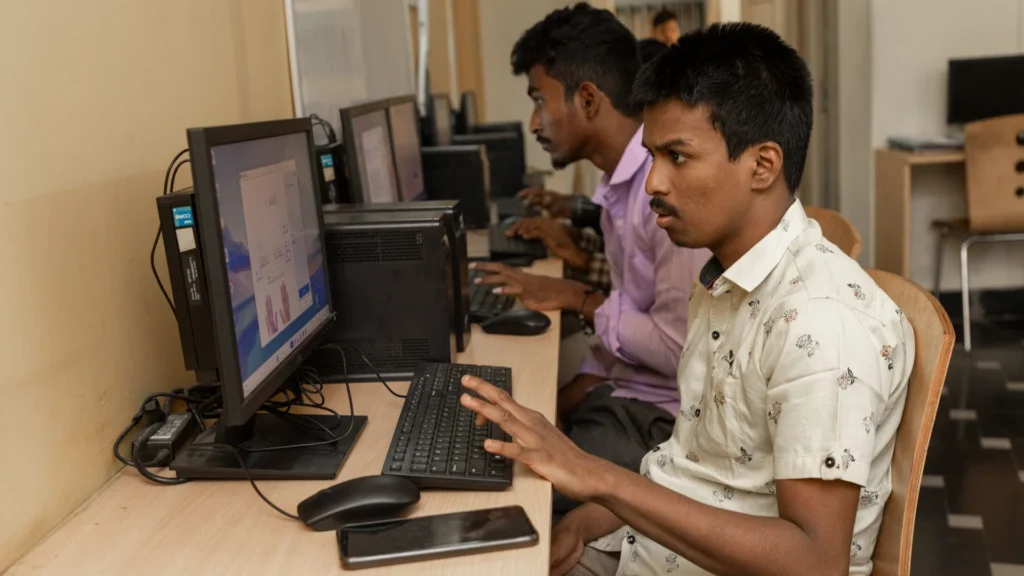
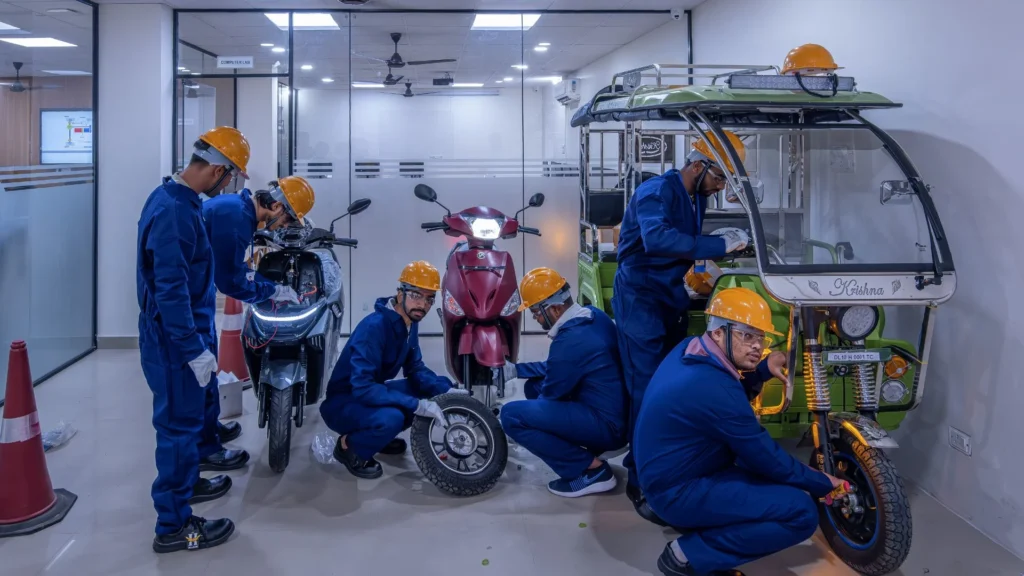
Specialised pathways prepare learners for technology careers in Artificial Intelligence, Machine Learning and Full-stack Development, technical roles in electric mobility and solar energy, and pharmaceutical manufacturing. Across these pathways, GROW connects industry-relevant training with the confidence and workplace readiness needed to pursue meaningful careers.

High Quality Healthcare Skilling

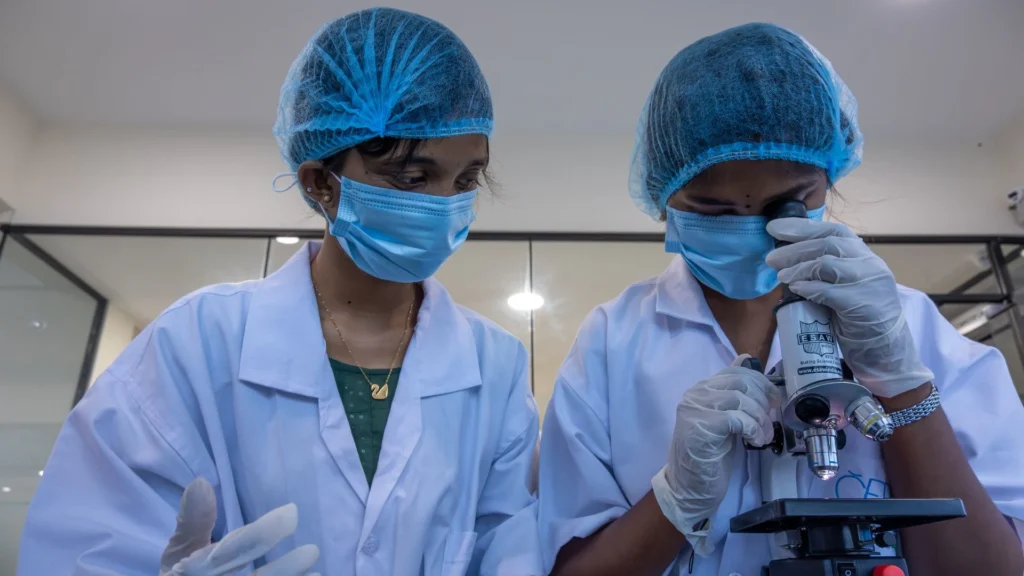
High Quality Healthcare Skilling prepares young people for non-medical healthcare roles such as General Duty Assistant and Geriatric Care Aide.

Technical instruction in simulated skill laboratories is combined with core employability training and workplace preparation. The programme currently operates through 14 centres across five states, widening access to careers in the healthcare sector.

Skillfy

Skillfy is DRF’s self-learning platform, developed to make learning more accessible and inclusive. More than 1.47 lakh users can access courses that include regional-language content and sign-language instruction.

The platform allows learners to build skills at their own pace and extends access to those who may not be able to participate in centre-based training. Skillfy is also the inaugural skilling partner of the UNICEF Youth Hub.

Quality and certification

Dr. Reddy’s Foundation is recognised as an Awarding Body by the National Council for Vocational Education and Training. This enables the Foundation to assess and certify learners for approved qualifications within the national skilling system.

ALIGNMENT WITH THE UNITED NATIONS
SUSTAINABLE DEVELEPMENT GOALS

ALIGNMENT WITH THE UNITED NATIONS
SUSTAINABLE DEVELEPMENT GOALS

Our skill-development initiatives
Primarily advance

SDG 8: Decent Work and Economic Growth by preparing young people for employment and career progression.
It also contribute to:

SDG 4: Quality Education by widening access to relevant technical and vocational learning.
SDG 10: Reduced Inequalities through pathways designed for underserved and underrepresented learners.
SDG 17: Partnerships for the Goals through collaboration with governments, employers and institutional partners.

Collaborators

National Skill Development Corporation

J.P. Morgan

Accenture Solutions Private Limited

HCL Foundation

HDFC Bank Parivartan

Cognizant Foundation

MUFG

Dr. Reddy’s Laboratories Ltd.

Give2Asia

GMDC-GVT Ltd.

Andhra Pradesh State Skill Development Corporation